
Last updated November 23, 2026
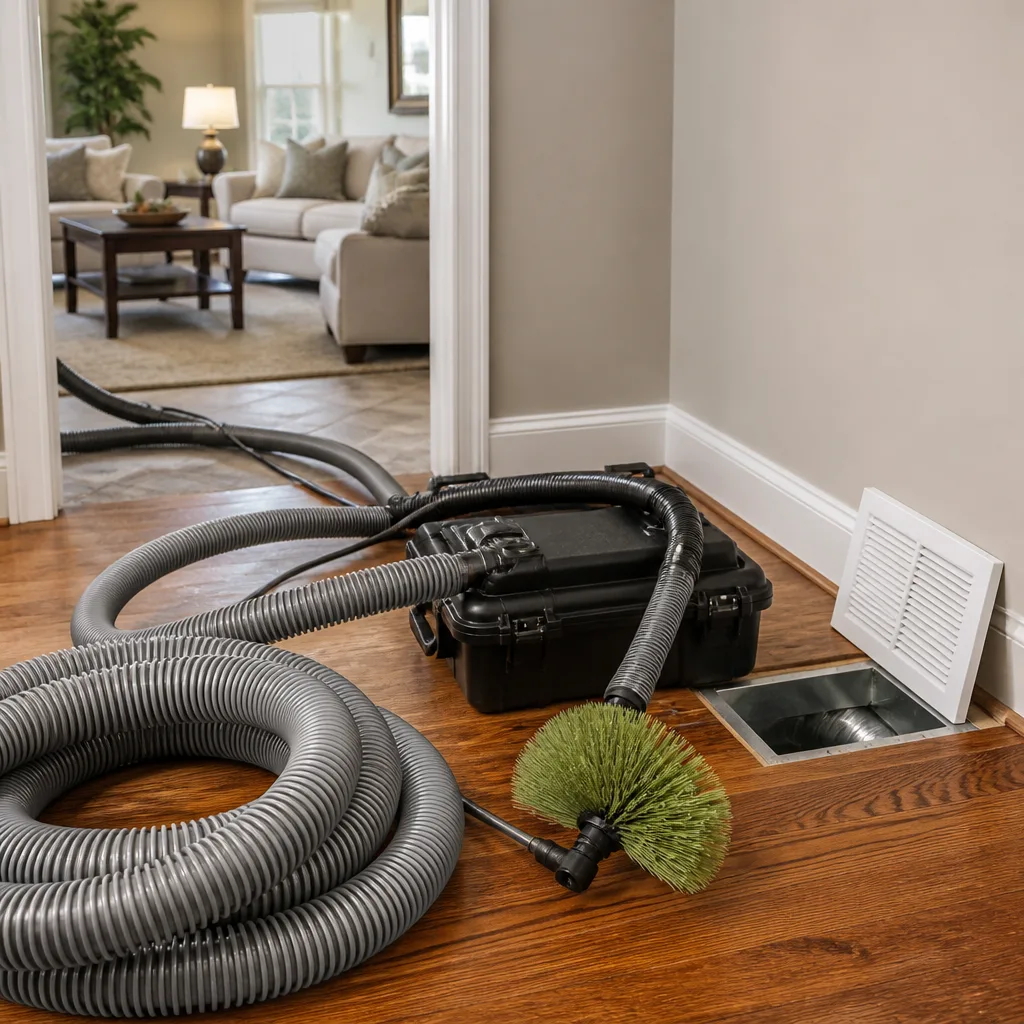 Whole-home duct cleaning
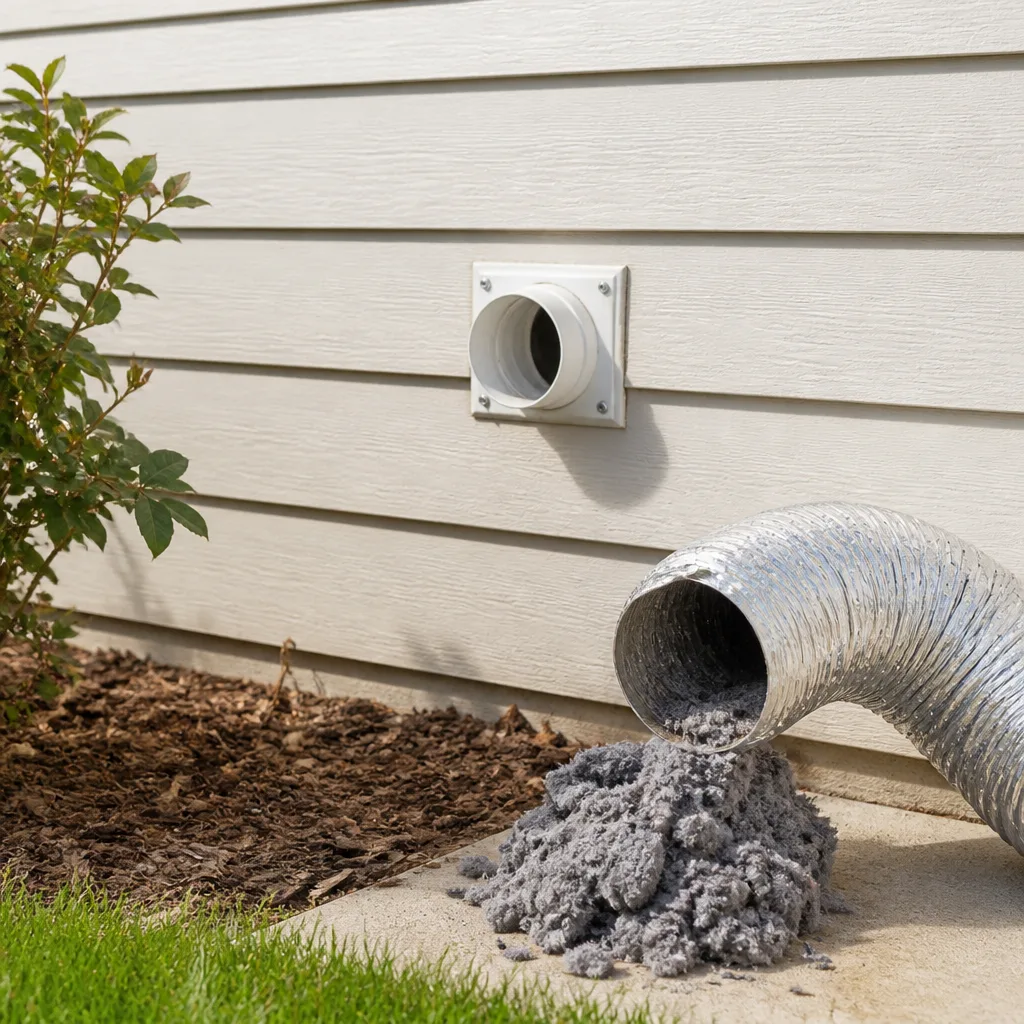 Dryer vent cleaning
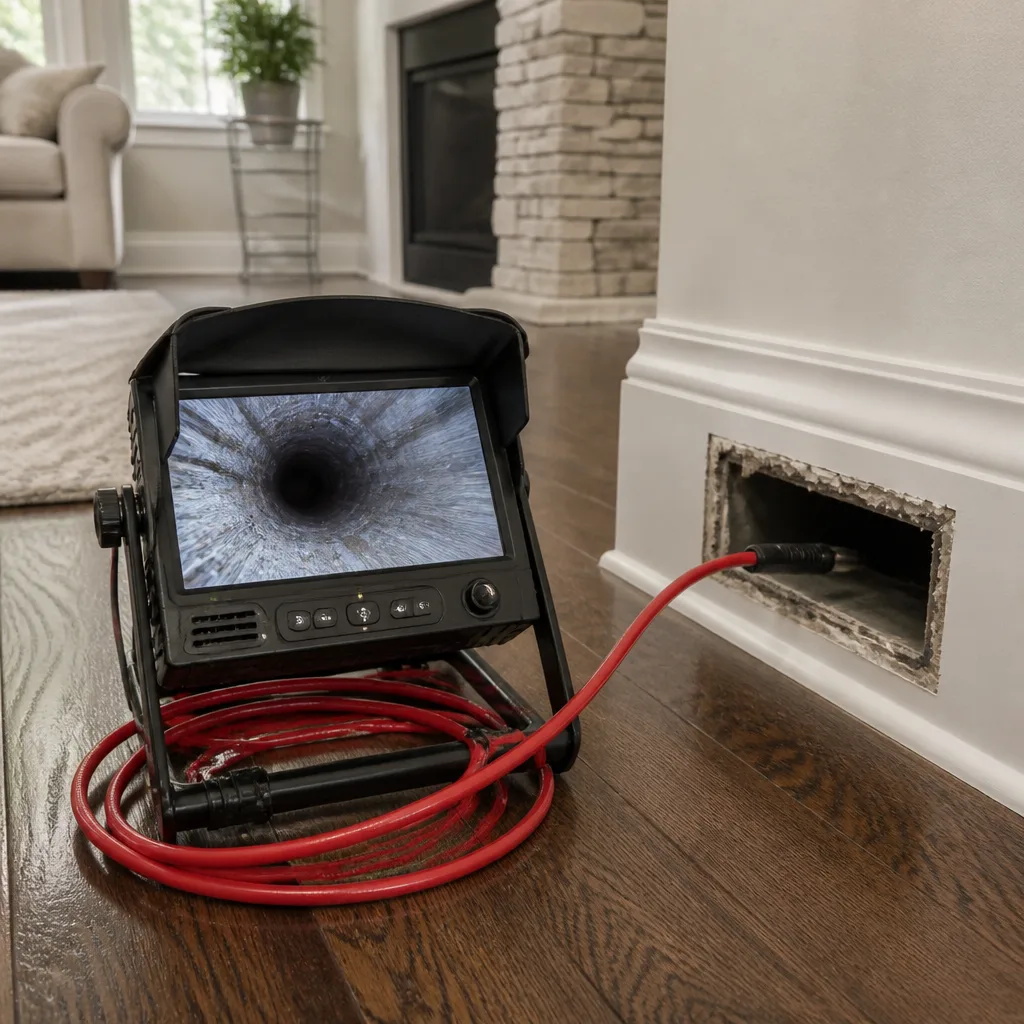 Camera inspection
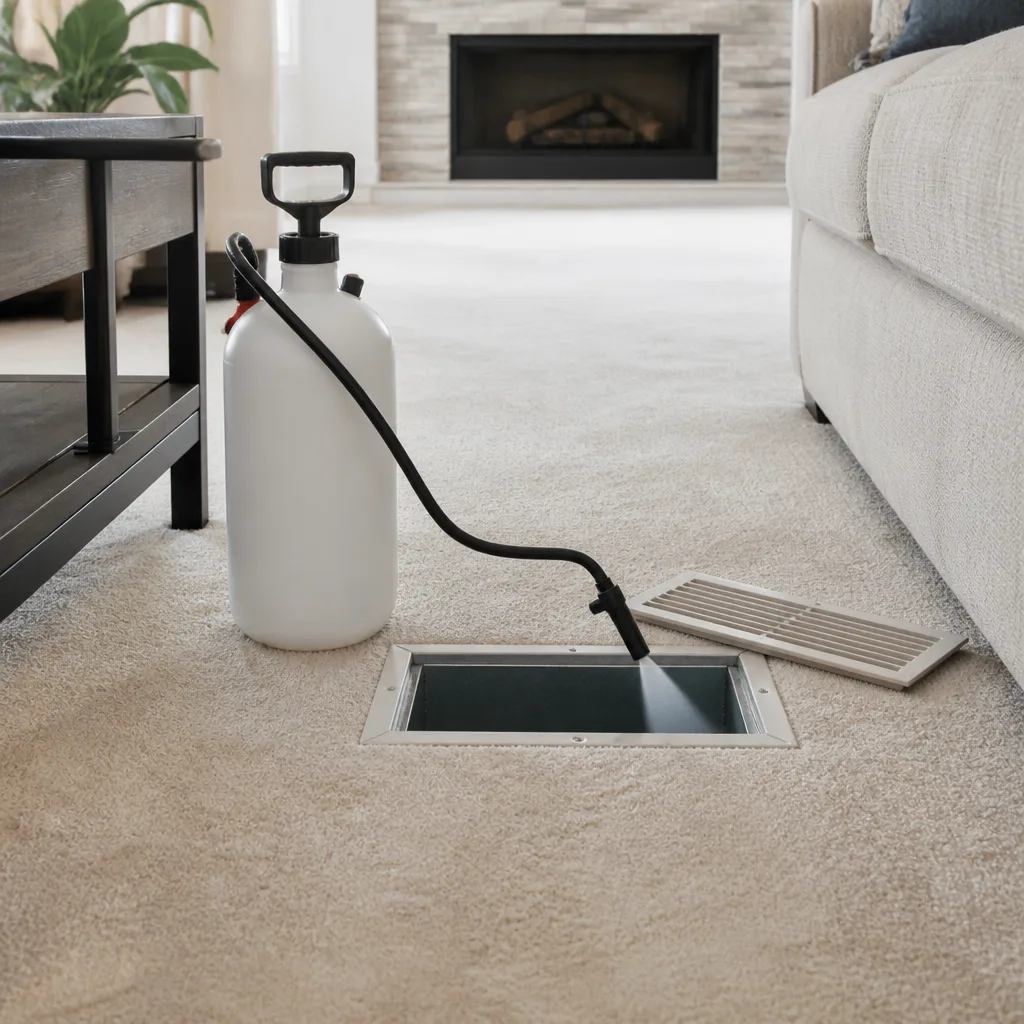 Sanitizing & deodorizing
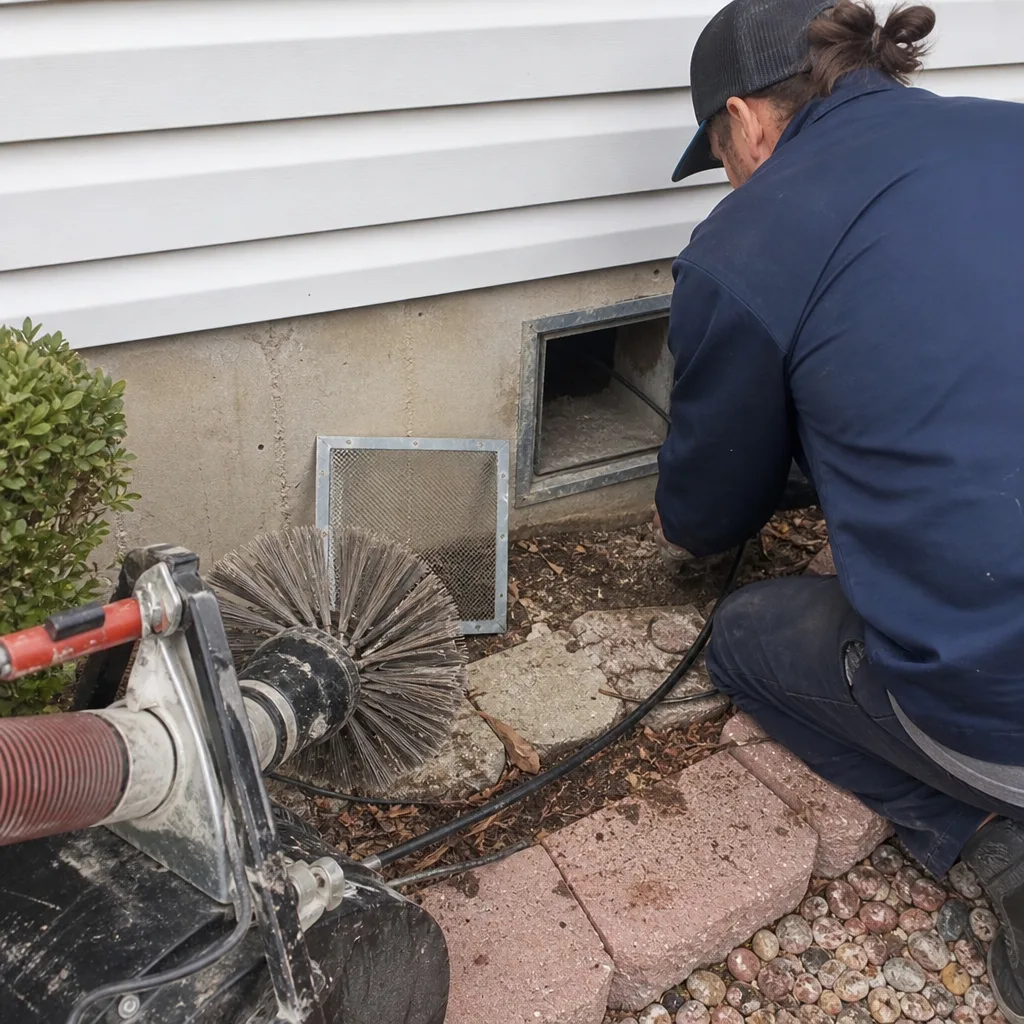
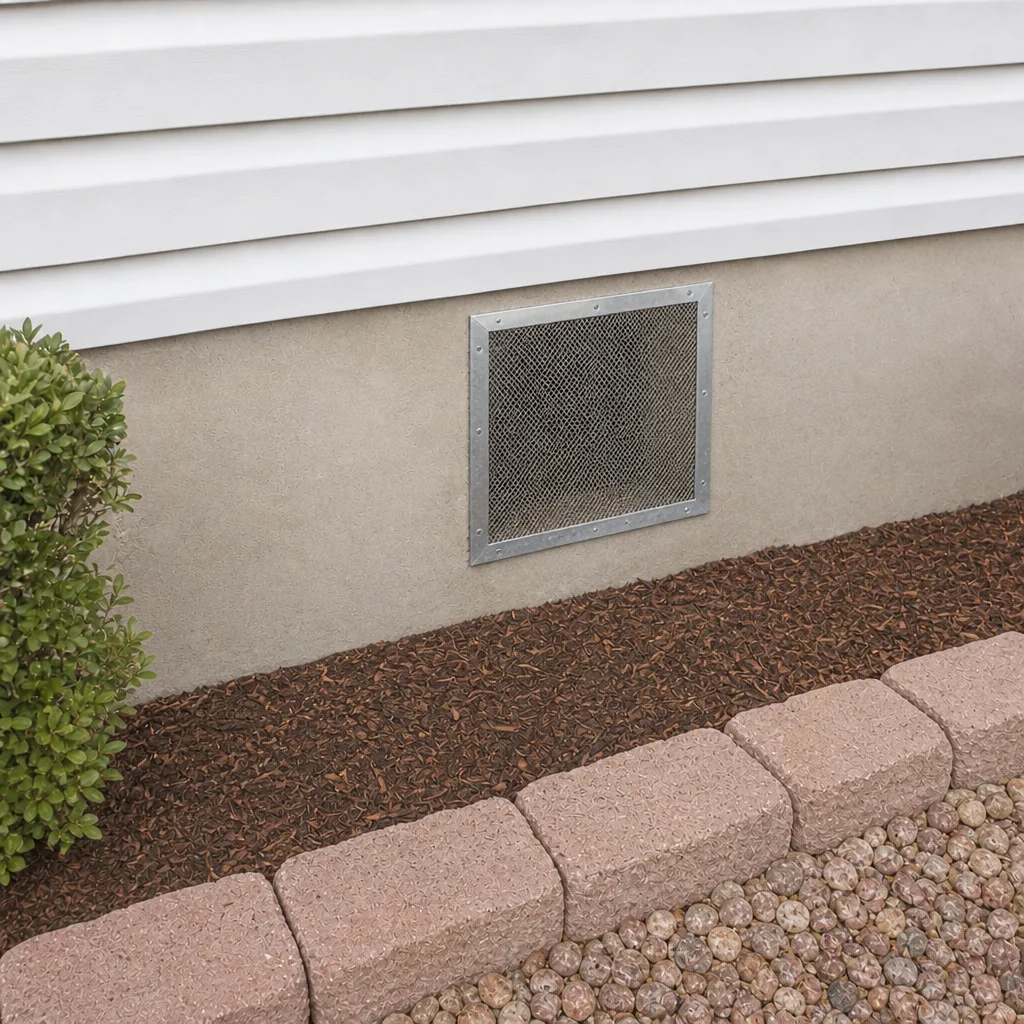
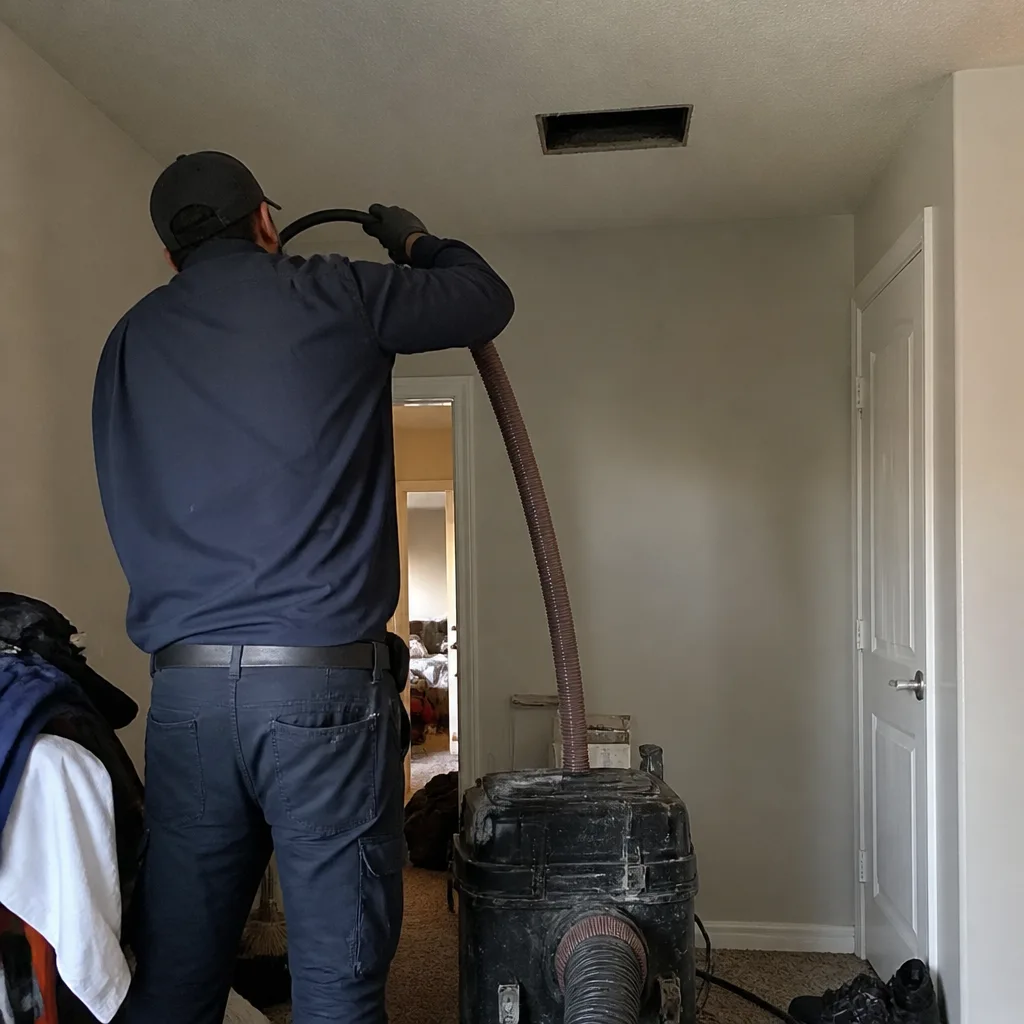
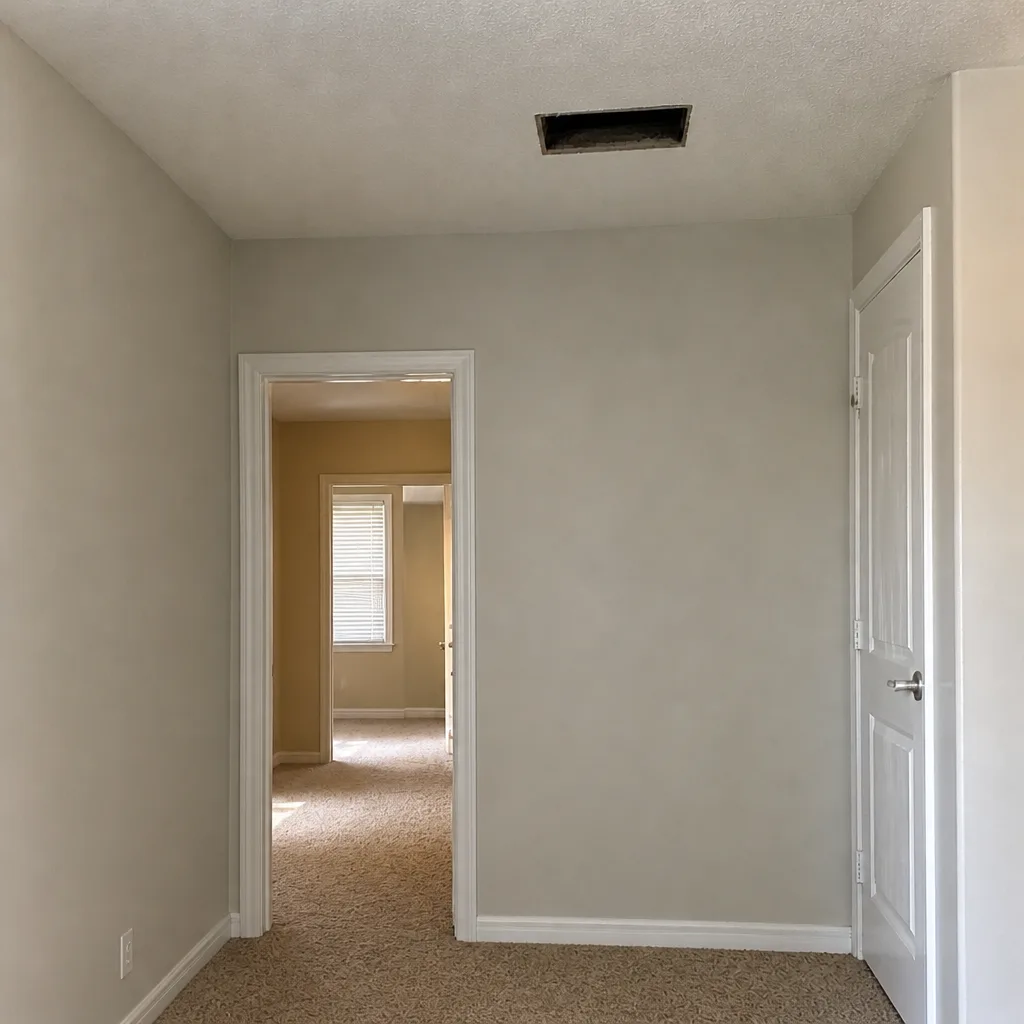
Whole-system duct and dryer vent check with before-and-after photos - you see exactly what came out of your vents
That "$99 whole-house special" is a bait ad - the real number appears once they are in your hallway, or the "clean" is a shop-vac at the register. We photograph the inside of your ducts before and after instead.
How to Hire an Air Duct Cleaning Contractor in Herriman: A Step-by-Step Guide
The $99 whole-house duct cleaning mailer that lands in your Herriman mailbox is almost never a $99 job. It’s a loss-leader, and what usually follows is either an aggressive in-home upsell or a job done with equipment that can’t generate the negative pressure required to actually pull debris out of branch runs. That’s the uncomfortable truth about this trade, and it’s why the cheapest quote is often the most expensive decision a homeowner makes.
The good news is that you can tell the difference between a legitimate air quality specialist and a low-bid operator using a short list of questions. In this guide we walk through the three equipment questions to ask before you book, how to read a quote line by line, what NADCA membership actually means, how to verify a Utah contractor’s registration and insurance, and which add-ons are legitimate versus predatory. You’ll finish with a clear framework for hiring a contractor in Herriman.
Quick Answer
To hire an air duct cleaning contractor in Herriman, verify three things before booking: the type of machine and its CFM rating, whether the method uses a contact vacuum or true negative-air containment, and the contractor’s Utah business registration and insurance certificates. Then read the written quote for per-vent access, main trunk cleaning, and return plenum inspection as separate line items, because a single flat-rate price that skips those categories is where corners get cut.
Styles & brands we work with
- Whole-home duct cleaning
- Dryer vent cleaning
- Camera inspection
- Sanitizing & deodorizing
Table of Contents
- Why herriman homeowners struggle to tell contractors apart
- The three equipment questions to ask before you book
- NADCA membership vs. NADCA certification: what the distinction really means
- How to read an air duct cleaning quote in Herriman
- What a reputable contractor will and won’t recommend
- Utah licensing and insurance: what to verify before anyone enters your home
- Herriman climate, housing, and why duct condition varies block to block
- A step-by-step hiring checklist
- Common mistakes to avoid
- When to call a professional
- Frequently asked questions
Why Herriman homeowners struggle to tell contractors apart
From the outside, the websites all look the same: a photo of a smiling technician, a “satisfaction guaranteed” line, a free-estimate call button, and a price that seems almost too reasonable. From the inside, the differences are enormous. On one end of the spectrum you have contractors running commercial-grade machines like Rotobrush and Nikro systems, which are built for residential branch-run work and can reach into supply runs where debris actually settles. On the other end you have operators running a shop vacuum attached to a single vent, which removes surface dust from the register but leaves the ductwork beneath untreated.
The gap is expensive to a homeowner because you can’t see inside your ducts. That invisibility is what makes the low-bid operator viable in the first place: if a homeowner can’t verify the difference between a light dusting and a proper extraction, the cheapest quote looks identical to the most thorough one. In Herriman, where neighborhoods range from newer construction in the southwest valleys to established homes closer to the foothills, duct condition varies from block to block, and the wrong equipment fails silently.
What closes this gap is asking equipment and process questions before booking. A specialist can answer them in thirty seconds. A low-bid operator can’t, because the answers expose what they don’t have.
The three equipment questions to ask before you book
These three questions cut through any marketing language. Ask them on the phone and listen carefully to the answers.
- What kind of machine will be used, and what is its CFM rating? CFM (cubic feet per minute) measures air movement, and it’s the number that separates real duct cleaning from a surface wipe. A commercial unit runs a much higher CFM than any shop vacuum can produce, and that’s what creates the air movement needed to lift settled debris. Ask for the brand and the CFM, and expect a specific answer.
- Are you using a contact vacuum or a negative-air containment method? A contact vacuum removes material from what the tool touches. A negative-air setup uses a HEPA-filtered containment system to put the whole branch run under continuous negative pressure while agitation tools break debris loose. On a comprehensive job, both methods have a role: agitation in the runs, negative pressure to keep material moving out of the home.
- What filtration grade is on your containment equipment? Residential operators often skip this question because entry-level equipment doesn’t have a meaningful answer. Contractors running Abatement Technologies filtration gear are working to a commercial remediation standard, where HEPA-grade capture is a baseline requirement rather than an optional extra.
If a contractor can’t answer all three, that’s your answer. The right equipment changes everything about what actually comes out of the ductwork, and in our experience the contractors who can describe their machines in detail are the ones who do the thorough job.
NADCA membership vs. NADCA certification: what the distinction really means
The National Air Duct Cleaners Association (NADCA) sets the industry’s technical standards, including a written specification for how duct cleaning should be performed. Contractors reference NADCA constantly, but two different credentials get conflated: membership and certification. They are not the same thing.
NADCA membership means the company pays dues to the association. It signals a willingness to be associated with the standard, and it’s a positive sign that a contractor is at least aware of industry best practices. But dues aren’t verification, and membership doesn’t confirm that anyone on the crew has been tested on the standard.
NADCA certification (typically held by individual technicians through the Air Systems Cleaning Specialist, or ASCS, credential) means a specific person passed an exam and met continuing-education requirements. That’s the stronger credential because it maps to an individual who was tested, not just a company that paid to join.
Why the distinction matters: a company can advertise “NADCA member” on its Herriman mailer without holding a single certified technician. When you call, ask whether the technicians arriving at your home hold current ASCS credentials, and ask which year they were certified. A legitimate contractor will name them and confirm the certification is current. A contractor who can’t or won’t, hasn’t.
How to read an air duct cleaning quote in Herriman
A written quote is the clearest window into how a contractor works. Structured, itemized quotes signal a contractor who has done this enough to know where the work actually happens. Flat-rate quotes signal shortcuts.
Here’s a line-item comparison to use when you evaluate what you’re handed:
- Per-vent access: Listed separately so you know how many supply registers and return grilles will be serviced. A homeowner can count these themselves, which is exactly why a good quote itemizes them.
- Main trunk line cleaning: The large main trunk carries the bulk of the air volume. Cleaning branch runs without the main trunk leaves the majority of the system untouched.
- Return plenum inspection: The plenum is the box where air enters the furnace or air handler. It’s often the dirtiest part of the system because it’s the collection point, and a quote that skips it is skipping the priority.
- Blower and coil access (if included): Access to the air handler and evaporator coil tells you the contractor is prepared to clean beyond the ducts themselves.
- Sanitizing step (optional, quoted separately): Post-clean application of a sanitizer after confirmed organic growth or musty biological activity. Should be a line item you can decline, not a mandatory add-on.
- Filtration and containment method: A thorough quote references the equipment and containment method used during cleaning.
One practical test: count your supply vents and return grilles yourself before the estimate. Then see whether the number in the quote matches. A quote with a suspiciously round flat rate covering “the whole house” often doesn’t actually reach every branch run. And remember that every quote should be written and fixed before work starts; the estimate is the price, not a starting point.
What a reputable contractor will and won’t recommend
The upsell is where the cheapest duct cleaning quote makes its money back. Learning to spot the difference between a legitimate recommendation and a predatory one will save you more than the coupon ever did.
Legitimate recommendations, supported by evidence:
- Sanitizer after confirmed organic growth. If you’ve had visible mold, persistent musty odor, or a documented moisture issue, an antimicrobial treatment is defensible. Reputable contractors photograph or sample first and treat second. Guardsman-grade surface treatments that add post-clean protection fall in this category when the need is documented.
- Duct repair and sealing following the cleaning. Loose joints, damaged flex runs, disconnected branches, or gaps at the plenum are real losses that affect system efficiency. The fix is real, and an honest contractor shows you the joint.
- Dryer vent cleaning as part of the same visit. The dryer vent is the highest fire-risk airflow path in the home and the most overlooked. Combining it with duct cleaning makes sense because the equipment and access are already on site.
- Indoor air quality system integration. If your home lacks filtration or humidity control, contractors familiar with Honeywell and Aprilaire systems can recommend a filtration or fresh-air solution that fits your HVAC platform.
Predatory upsells, avoid:
- Sealants applied to clean ducts with no visible leaks. If the ductwork is already sealed, there’s nothing to seal.
- Antimicrobial fogging as a mandatory step on a routine clean. If no organic growth has been identified, this is a revenue line, not a health need.
- “Emergency” cleanings with pressure pricing presented as urgent. Duct cleaning is a scheduled service, not a crisis response.
- Duct replacement recommendations from a contractor who hasn’t inspected the interior or documented the damage.
A specialist will photograph the ducts before and after and show you the difference before leaving. If a contractor can’t or won’t show you photos, that’s a signal in itself.
Utah licensing and insurance: what to verify before anyone enters your home
Before you book, verify two things: state business registration and insurance coverage. Both are easy to check and hard to fake.
- Verify the business registration. Search the business name on the Utah Division of Corporations and Commercial Code database. You’re looking for an active status and the correct legal entity name. If the entity doesn’t match what’s on the mailer, ask why.
- Verify the contractor license. Utah’s Division of Professional Licensing (DOPL) handles contractor licensing for trades that require it. Air duct cleaning isn’t always a licensed specialty in this state, but a legitimate contractor who performs work that touches HVAC systems or duct repairs generally operates under the appropriate classification. Confirm what classification applies to your job and that the contractor holds it.
- Request the insurance certificate. Ask for the certificate of insurance (COI) covering both general liability and workers’ compensation. The certificate should name the contractor’s legal entity and list the policy dates. If anyone is uninsured and gets hurt in your attic, you want that to be their problem, not yours.
- Confirm the crew performing the work. Ask whether the technicians arriving at your home are employees or subcontractors. Both are legitimate, but the answer tells you who to hold accountable and whose insurance actually covers the crew on site.
- Ask for the written estimate before the appointment. A contractor confident in their quote is happy to send it in advance. One who wants to be on-site before pricing the work is planning to adjust the price once they’re there.
Herriman homeowners often learn this after the fact. Take the fifteen minutes to verify before booking. Every minute spent here saves an hour of explaining later.
Herriman climate, housing, and why duct condition varies block to block
Herriman’s climate shapes what accumulates in ductwork. Winters are cold and long enough that the furnace runs heavily from late fall through early spring, and the summer cooling season produces more run-time as the valley heats up. That means duct systems here see year-round airflow, with dust, construction debris, and pet dander accumulating faster than in milder climates where the system sits idle for months.
Two other local factors matter. First, construction: this part of Salt Lake Valley has seen a lot of new home building, and new construction reliably leaves drywall dust, sawdust, and construction debris in ductwork unless the system was thoroughly cleaned before move-in. Second, spring and summer dust: the valley sees wind-driven dust events that push fine particulate into homes, so return plenums and filters collect more material than they would in a wetter climate.
The result is that a home in southwest Herriman built a few years ago may have ductwork that’s never been cleaned since construction, while an established home closer to the foothills may have years of accumulated debris from multiple renovation cycles. Neither case is visible from a walk-through. Only interior inspection with proper tools tells you what’s actually there, which is why the equipment questions in this guide matter more than any neighborhood-by-neighborhood rule of thumb.
A step-by-step hiring checklist
Here’s the hiring framework from start to finish. Run this before you sign anything.
- Count your vents. Walk every room, count supply registers and return grilles, and write the number down. This is your baseline for judging any quote.
- Call two or three contractors. Ask the three equipment questions from this guide on the phone. If they can’t answer, move on.
- Confirm NADCA credentials. Ask whether the technicians assigned to your job hold current individual certification, not just company membership.
- Verify Utah business registration. Search the business name on the state database and confirm active status.
- Request insurance certificates. Confirm general liability and workers’ compensation coverage before anyone steps inside.
- Get the written quote. Confirm it itemizes per-vent access, main trunk cleaning, and return plenum inspection, and that the price is fixed before work begins.
- Ask about photos. Confirm the contractor photographs before and after and will show you the results before leaving.
- Book the appointment. Ask what the crew needs (access to vents, furnace area, and any attic access) so the visit doesn’t stall. For full-system coverage including the air handler, HVAC cleaning is the companion service to schedule.
When the appointment finally arrives, watch what’s actually happening: the machine, the containment, and whether the crew inspects the whole system or only the vents. That final inspection tells you whether the contractor is a specialist or just a guy with a vacuum. For a closer look at what a thorough service includes, our air duct cleaning page covers the full process from initial inspection through sanitizing.
Common Mistakes to Avoid
- Booking on price alone. The $99 whole-house offer almost always converts into a larger invoice on-site, or a job done with equipment that can’t extract debris from branch runs. Verify the equipment before you book.
- Skipping the insurance check. An uninsured contractor working in your attic is a liability risk. Ask for the certificate before anyone enters the home.
- Confusing NADCA membership with certification. Company membership is a start; individual technician certification is what you’re actually paying for.
- Accepting a flat-rate quote. A quote that doesn’t itemize per-vent access, main trunk cleaning, and return plenum inspection is probably skipping those areas.
- Falling for mandatory “add-on” sanitizing. If organic growth hasn’t been documented, antimicrobial fogging is optional, not required. Decline the upsell and ask for evidence.
- Forgetting the dryer vent. The dryer vent is a separate airflow path and a real fire hazard. Schedule dryer vent cleaning during the same visit so both hazards are addressed together.
- Not knowing your vent count. If you can’t verify that the number of vents in the quote matches the number in your home, you can’t tell whether the job was complete.
When to Call a Professional
You need a professional when the symptoms point to the duct system rather than the filter. A filter change handles airborne dust, but visible dust on the registers a few days after replacing a filter, a persistent musty odor when the system starts, visible dust streaks around supply grilles, or a family member whose allergies get worse inside the house all point to what’s sitting inside the ductwork. Recent renovations and new-construction move-ins are the other common trigger: drywall dust and trim debris settle into ductwork during construction and don’t clear on their own. And if you can’t remember the last time the dryer vent was cleaned, put that on the list too. Herriman Air Duct Cleaning Pros offers free estimates in Herriman: call (844) 443-4862. Our technicians have up to 9 years of experience, and every job is quoted in writing before we start.
Frequently Asked Questions
Typical whole-system pricing in the Herriman market runs roughly $350 to $700 for a standard home, with larger homes, additional HVAC systems, or add-on services pushing the range higher. The exact number depends on your vent count, system layout, and whether sanitizing or repair is included. The final price is set by the written estimate, and that estimate should be fixed before any work begins.
Cheap quotes are usually cheap because the equipment is cheap. A contractor running a shop vacuum can’t generate the negative pressure required to pull debris out of branch runs, so the “cleaning” touches the surface of the vent without touching the system. The other common reason is that the low quote is a loss-leader that converts into a larger in-home upsell once the crew has arrived. Ask for the equipment and the CFM before you compare prices, or you’re not comparing the same job.
Ask for before-and-after photos of your own ductwork, taken during the job. A specialist brings camera access for exactly this purpose and shows you the result before leaving. If a contractor can’t show you evidence of your own system, the claim of a thorough job is unsupported, no matter how convincing the in-person explanation was at the time.
Most homes benefit from cleaning every three to five years, but the honest answer depends on your household. Homes with pets, allergy sufferers, recent renovations, or a new-construction move-in often need it sooner. Homes with none of those factors can often go longer. The right interval is based on what’s actually accumulating in your system, which an interior inspection can tell you.
Yes, if it’s been more than a year since the last cleaning or you notice longer dry times, a hot dryer exterior, or lint around the vent hood. The dryer duct is a separate airflow path with a real fire risk attached, and scheduling it during the same visit saves a separate appointment. Most reputable contractors offer both services.
Yes, plan to be home. The crew needs access to interior vents, the furnace or air handler, and often the attic, and you’ll want to review the before-and-after photos and any recommendations before the crew leaves. Plan for a few hours on site, longer for a large home or multi-system setup. The written estimate fixes the price, so nothing should change while the crew is there.
For the full picture of what we do and how we work, visit Herriman Air Duct Cleaning Pros. If you’d like a written quote on your Herriman home, call (844) 443-4862. We answer 24/7. Fast dispatch from 7am to 7pm, Sunday through Friday.
The Bottom Line
Hiring an air duct cleaning contractor in Herriman comes down to verifying four things before you sign anything: the equipment, the credentials, the quote structure, and the insurance. Ask the three equipment questions and listen for specific answers about machine type and CFM. Confirm whether the technicians are individually NADCA-certified, not just company members. Verify Utah business registration and request insurance certificates before anyone enters the home. Then read the quote line by line: per-vent access, main trunk cleaning, and return plenum inspection should all appear. A professional running commercial-grade equipment and a written process has nothing to hide. A contractor who can’t answer these questions does, and that’s the one to skip.
Written by the team at Herriman Air Duct Cleaning Pros.
See the difference
 Before
 After
 Before
 After
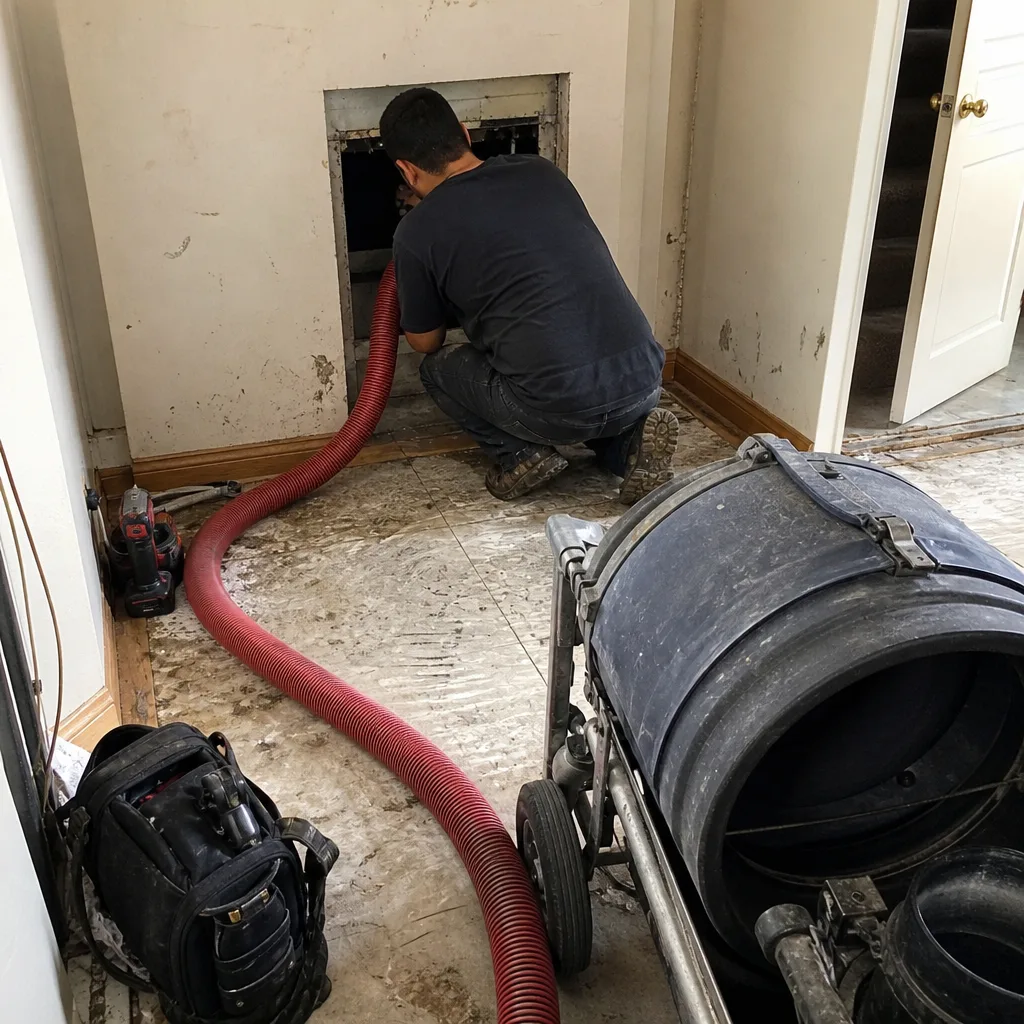 Before
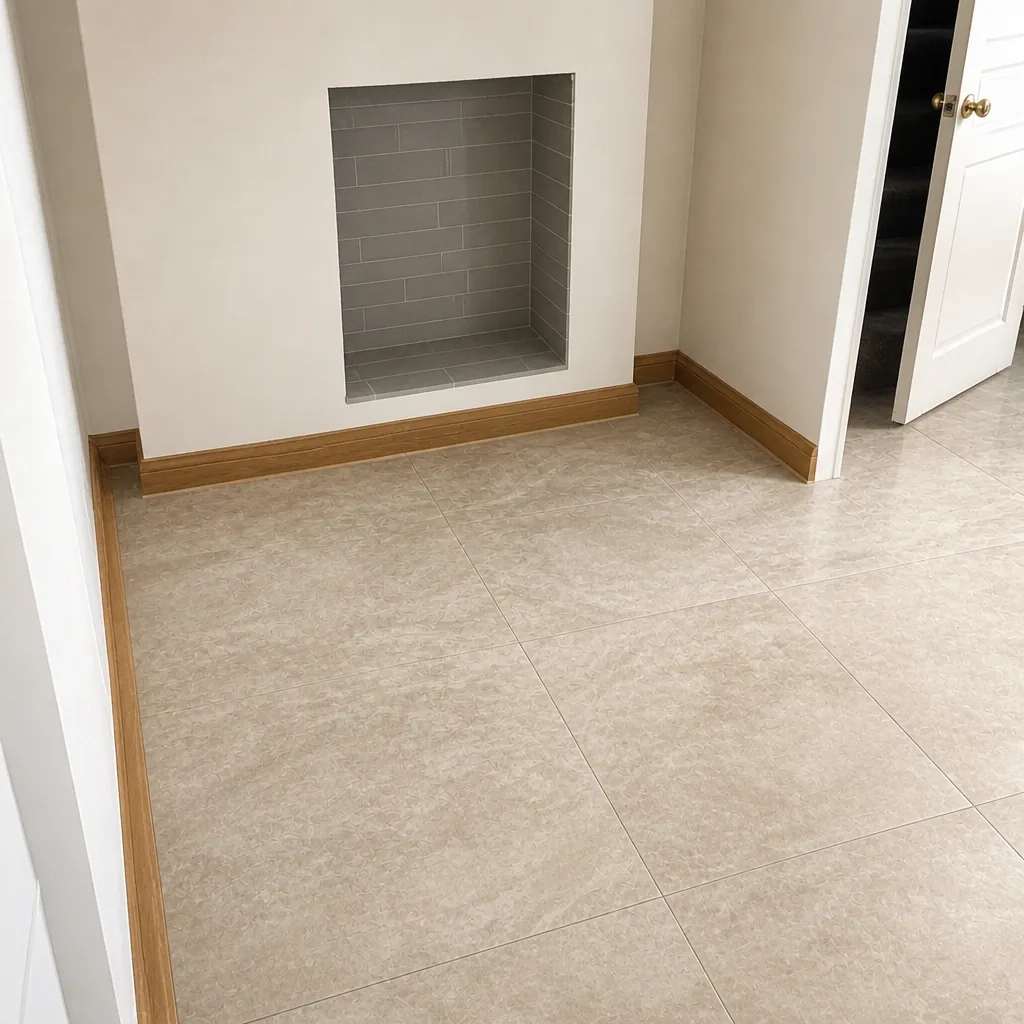 After