
Last updated November 23, 2026
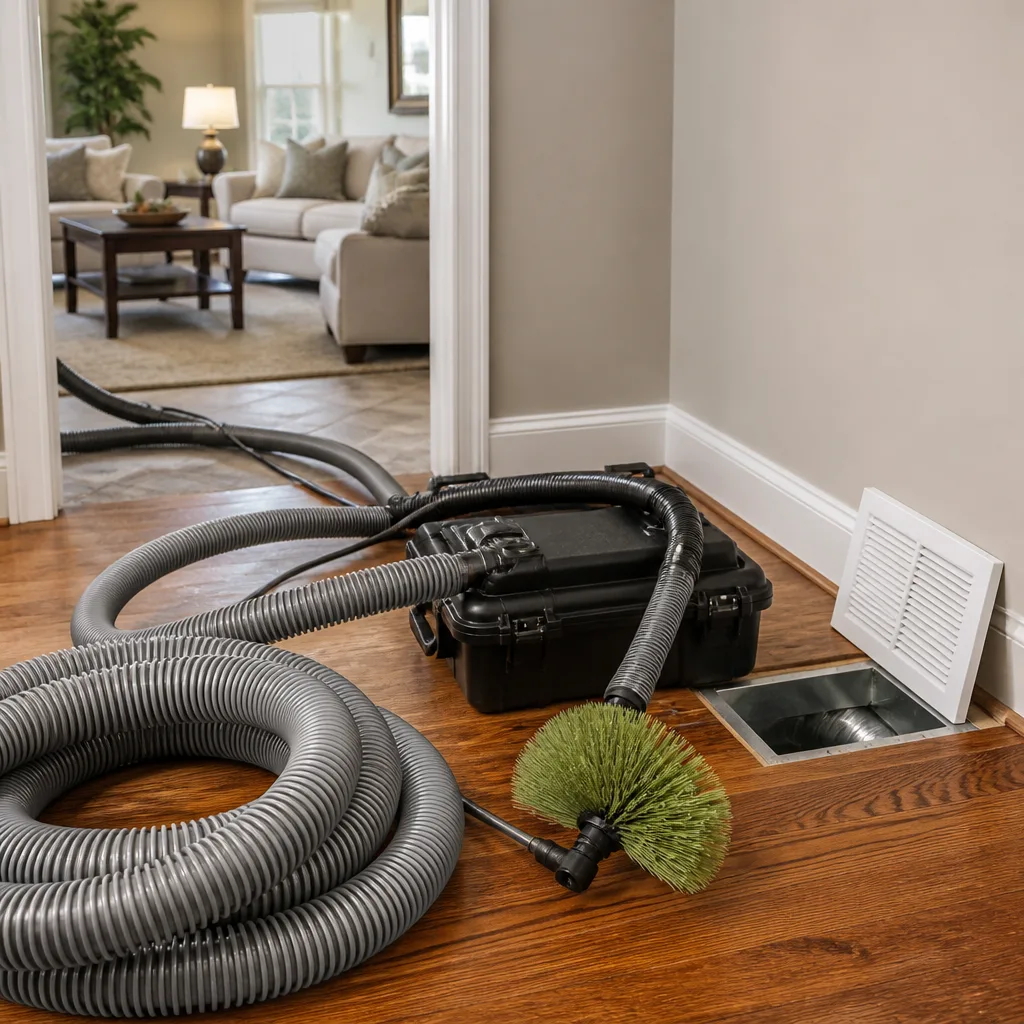 Whole-home duct cleaning
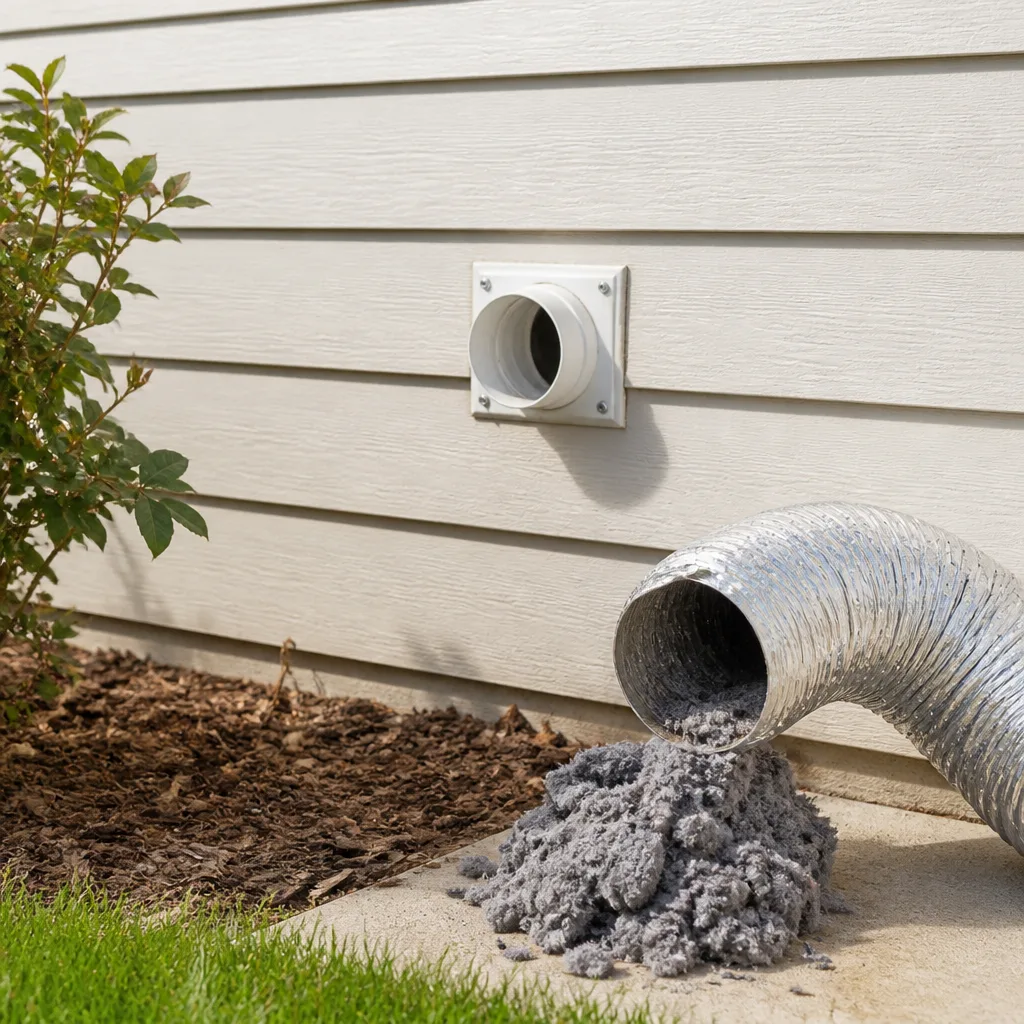 Dryer vent cleaning
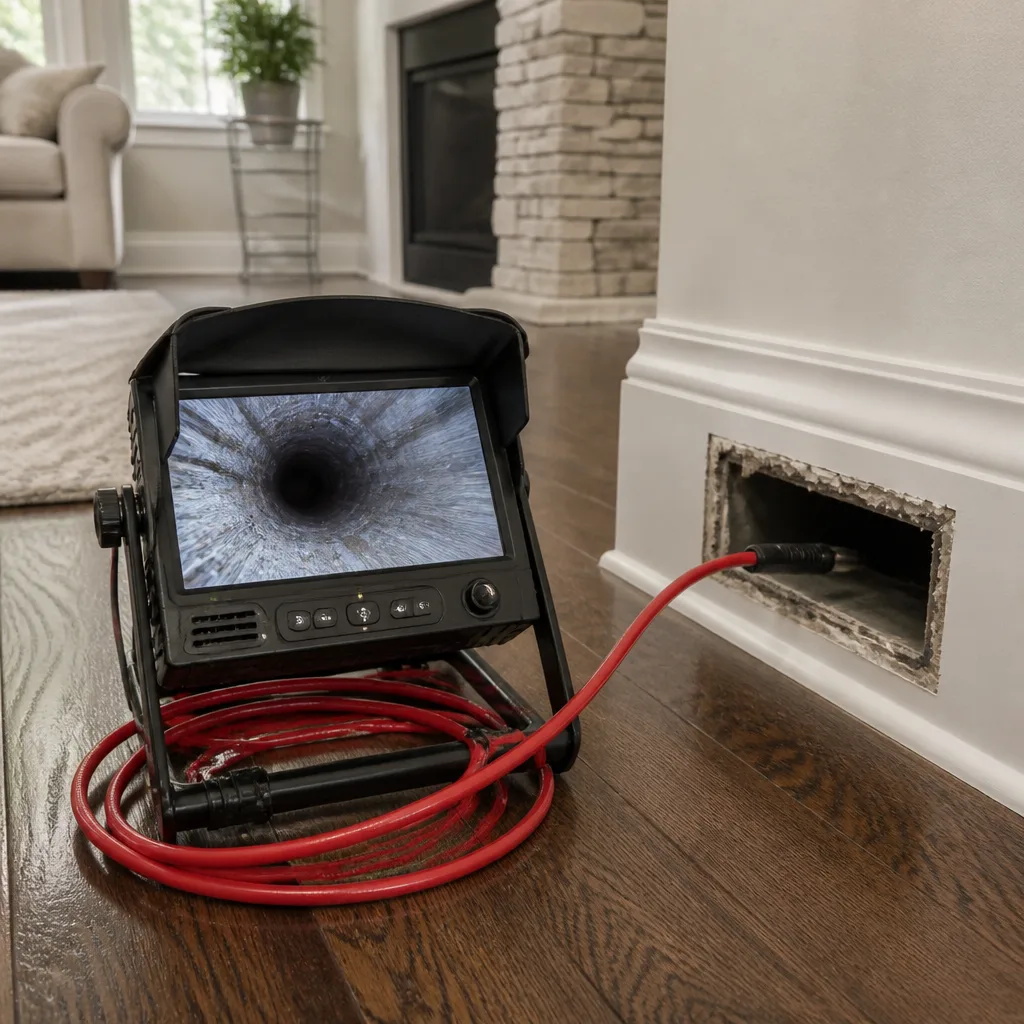 Camera inspection
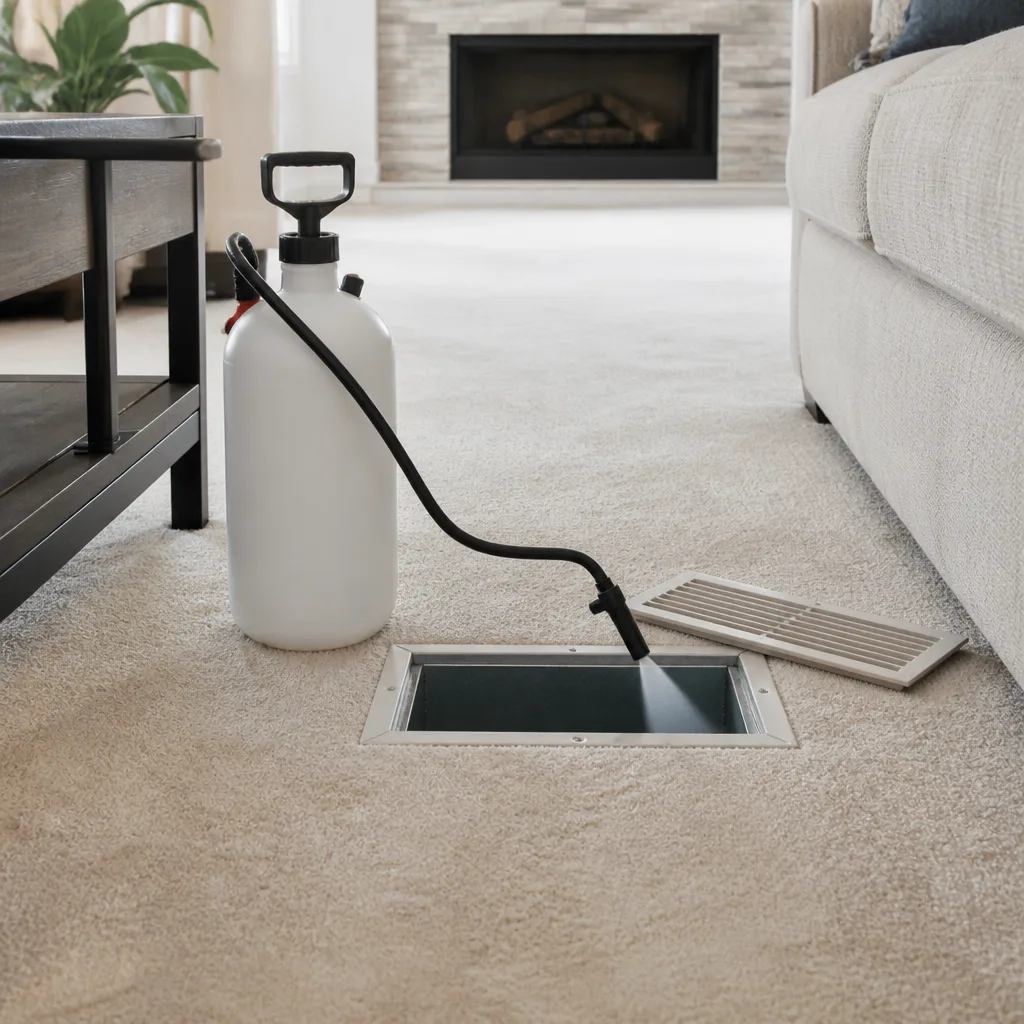 Sanitizing & deodorizing
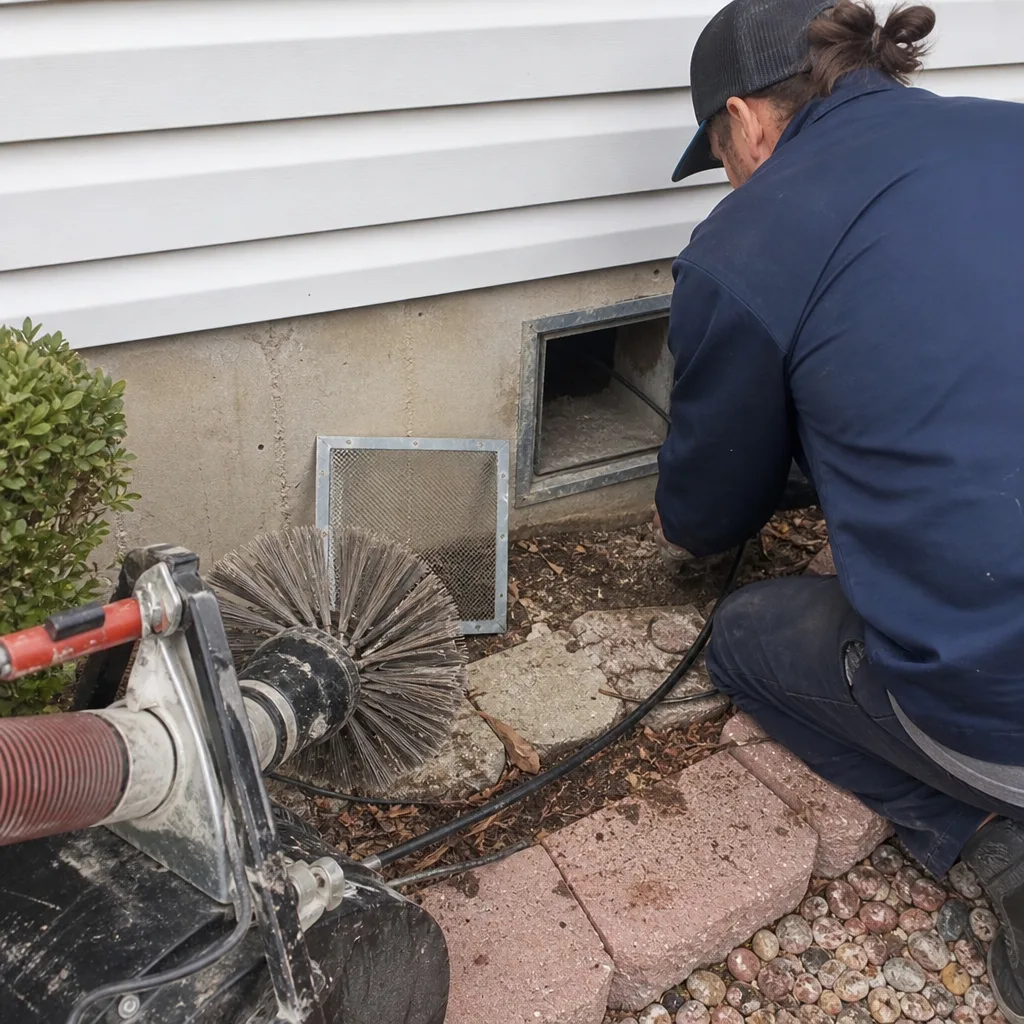
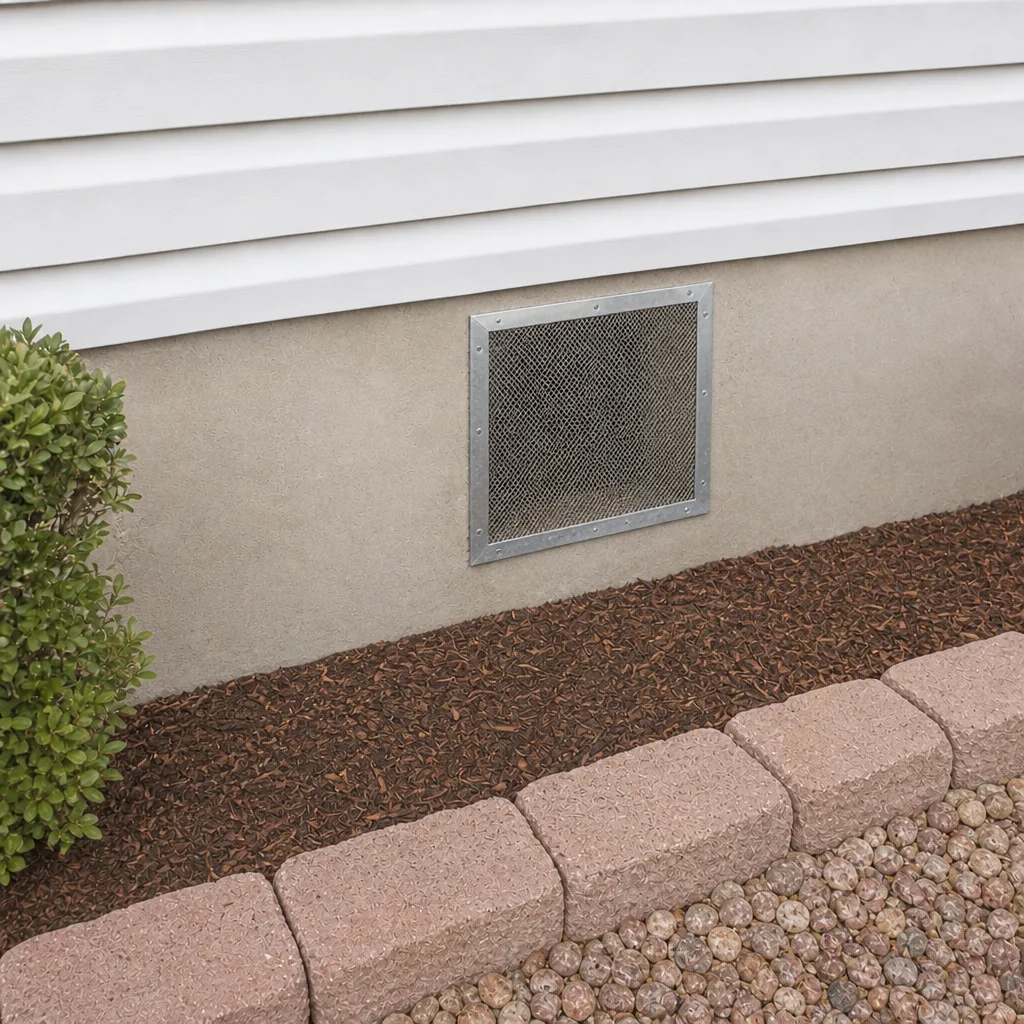
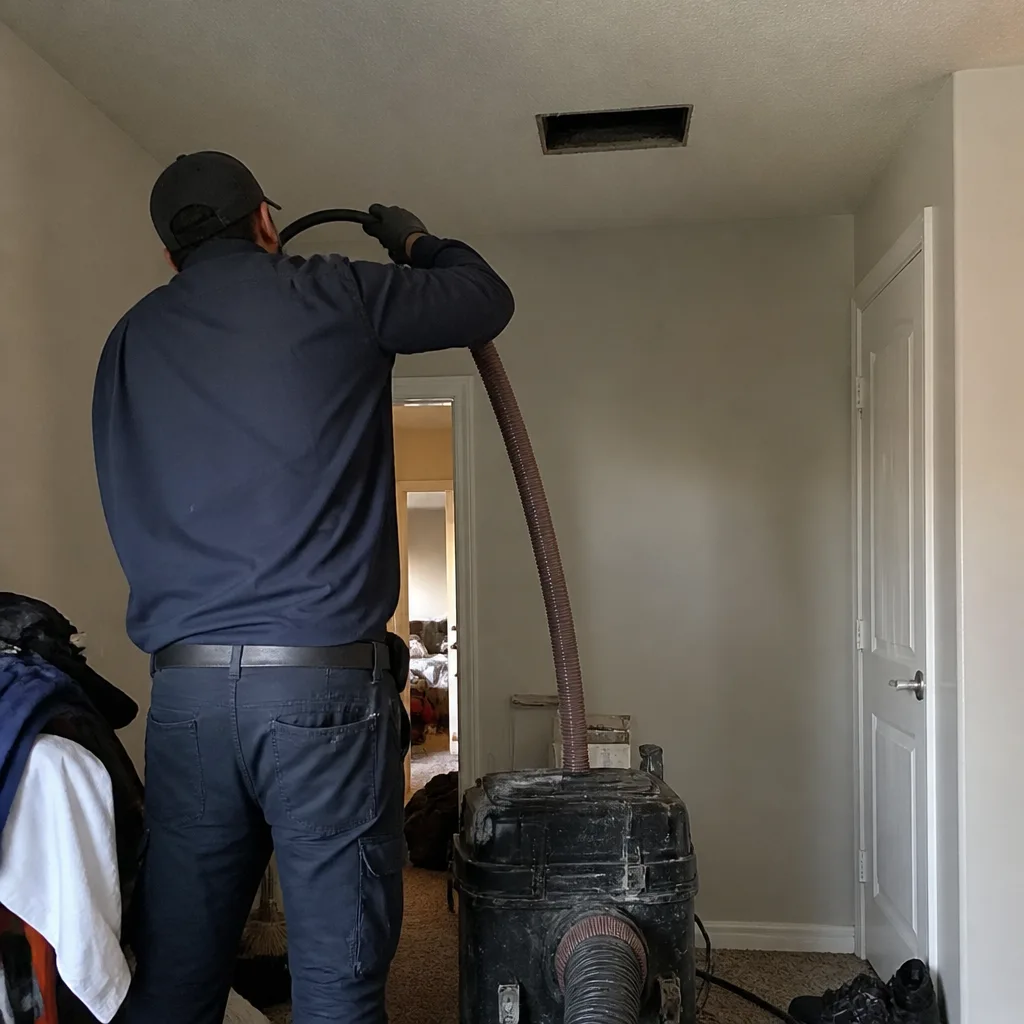
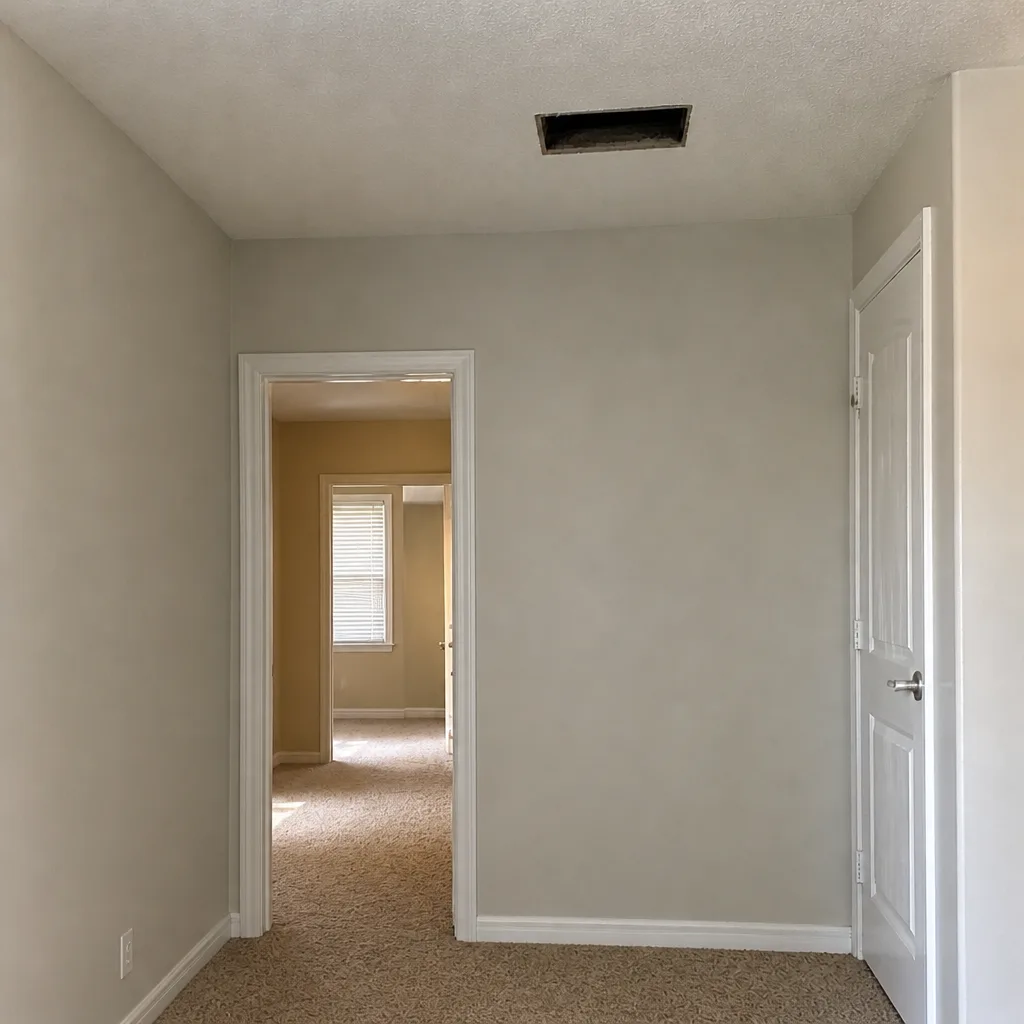
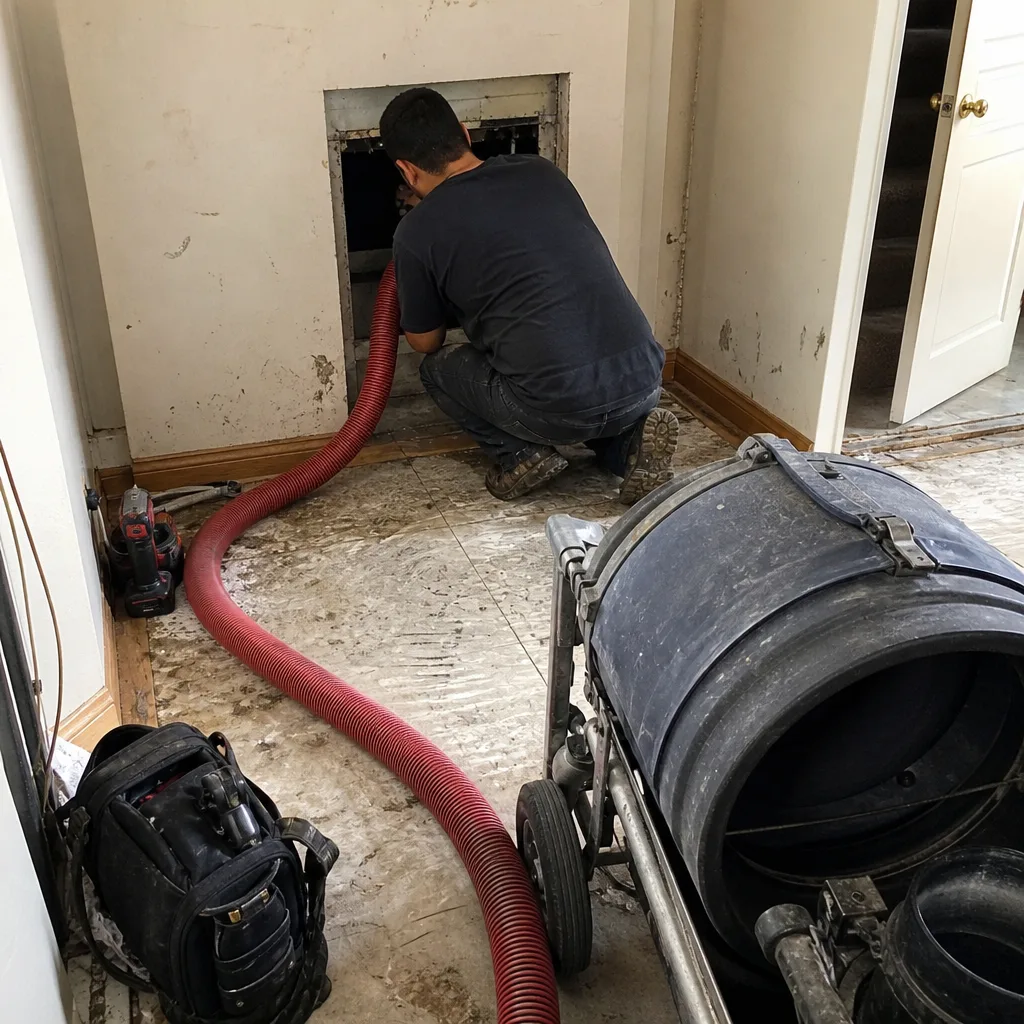
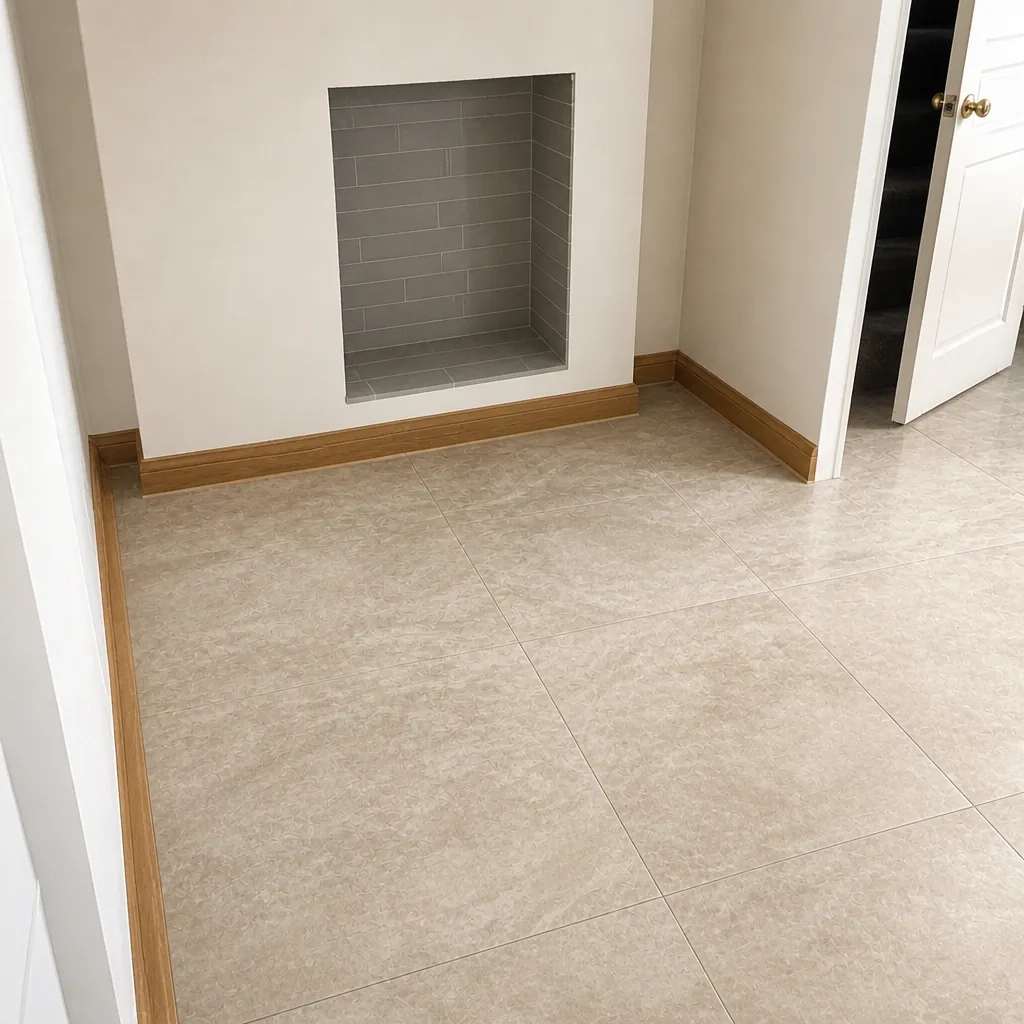
Whole-system duct and dryer vent check with before-and-after photos - you see exactly what came out of your vents
That "$99 whole-house special" is a bait ad - the real number appears once they are in your hallway, or the "clean" is a shop-vac at the register. We photograph the inside of your ducts before and after instead.
Air Duct Cleaning Maintenance Checklist for Herriman Homeowners
Most air duct maintenance advice hands you a calendar: clean every three to five years, change the filter every ninety days, call someone if it smells. That schedule assumes a neutral house in a neutral climate. Herriman isn’t neutral. A home backing up to a freshly graded lot, running a whole-home humidifier through a hard-water winter, and pulling air through inversion-season smog can accumulate the same contamination in eighteen months that a house elsewhere takes five years to collect. What follows is a working checklist built around the variables that actually drive duct condition here, from the dust-heavy grading months of March through June to the mineral scale that quietly builds in humidifier bypass ducts. You’ll learn what to check monthly, what to inspect quarterly, what to photograph before you call anyone, and how to log all of it so the record is useful later.
Quick Answer
Air duct maintenance in Herriman works best on a variable schedule, not a fixed one: inspect filters monthly and change them during March through June grading season as often as every three to four weeks, check humidifier bypass ducts for mineral scale quarterly, and schedule a professional cleaning when you see red flags like visible debris at registers or symptom spikes after HVAC startup. Log every filter change, cleaning visit and system modification with a date so the maintenance record holds up when you sell or file an indoor air quality concern.
Styles & brands we work with
- Whole-home duct cleaning
- Dryer vent cleaning
- Camera inspection
- Sanitizing & deodorizing
Table of Contents
- Why a Calendar Schedule Fails in Herriman
- Monthly Tasks: Filter Inspection Through Grading Season
- Quarterly Checks: Humidifier Scale and Duct Seams
- Annual Pre-Season Inspection Checklist
- Red Flags That Move Cleaning From Scheduled to Urgent
- How to Log and Date Your Maintenance Record
- What You Can Check Yourself and What You Can’t
- Common Mistakes to Avoid
Why a Calendar Schedule Fails in Herriman
Duct contamination is driven by four things: what’s in the outdoor air, what’s coming off the building materials around the house, how much moisture the system carries, and how well the duct enclosure is sealed. Herriman pushes on all four at once. New construction and lot grading across the valley keep fine mineral dust suspended through the spring. Winter inversions trap particulate in the valley air, and your HVAC system pulls that air through the return side whether or not anyone’s home. Hard water feeding a whole-home humidifier leaves mineral deposits in the bypass duct and on the humidifier pad, and those deposits stay damp. Add a duct run with a loose seam or a poorly sealed boot and you have a system that’s inhaling from a crawlspace or attic instead of the living space.
None of those variables care what year your house was built or how long it’s been since the last cleaning. A home near the foothills with a graded lot behind it can pull construction dust for two full grading seasons. A home with a humidifier running hard-water winters accumulates scale in one. And a home with a failed duct seal is pulling unconditioned, unfiltered air year-round regardless of schedule.
That’s why the checklist below is organized by task frequency and trigger conditions instead of a single “clean every X years” rule. The calendar is a starting point. What moves it forward is what you observe. We’ve seen enough Herriman systems to know the calendar alone gets it wrong in both directions: homes that got cleaned too early because the homeowner assumed five years had passed, and homes that went too long because nothing looked obviously dirty until someone pulled a register.
Monthly Tasks: Filter Inspection Through Grading Season
Filter inspection is the single highest-leverage task on this list, and it’s the one most homeowners do on autopilot. The default advice is to check every ninety days. In Herriman, March through June deserves a shorter interval, because that’s when lot grading and construction traffic across the valley put the most fine particulate into the air your return duct is pulling from.
Here’s the monthly routine:
- Pull the filter and hold it up to a light. If you can’t see light coming through when you hold it between you and a lamp, it’s loaded, regardless of how long it’s been in.
- Check the filter’s frame and the slot it sits in. Dust bypassing around a filter that’s the wrong size or sitting crooked does more damage than a dirty filter, because it goes straight to the coil and the duct interior.
- Note the date on the filter’s edge with a marker. Writing the install date on the filter itself makes the next check instant.
- During March through June, shorten the interval. If your filter is visibly loaded at three weeks, change at three weeks. Don’t wait for the calendar.
- Check return registers for visible dust streaks. A grey trail leading into a return grille means the return is pulling dust from the room. Worth logging even if the filter looks fine.
Filter choice matters too. A very high-MERV filter on a system not designed for the added static pressure can choke airflow, which is its own problem. The right answer depends on your blower and duct design, and it’s the kind of question worth asking when you schedule air duct cleaning. We can tell you what your system is actually set up to handle by looking at the return sizing and duct layout.
Quarterly Checks: Humidifier Scale and Duct Seams
Once a quarter, look at the parts of the system homeowners rarely touch: the humidifier and the duct seams you can reach. Both tell you something about moisture and seal integrity that filters won’t.
Humidifier bypass duct inspection
If your home runs a whole-home humidifier with a bypass duct, that small duct is a scale trap. Herriman’s hard water leaves mineral deposits on the humidifier pad, the water distribution tray and the inside of the bypass duct itself. A pad loaded with scale doesn’t just humidify poorly. It stays wet, and a damp mineral surface is a substrate for biological growth, which then migrates into the duct run with the airstream. Quarterly, check the pad for white crusting, look at the bypass duct interior with a flashlight, and note whether the humidifier has been running wet longer than the season requires. If your home uses an Aprilaire humidifier, the pad is a consumable and the scale shows up fast in hard water.
Duct seam and boot inspection
Walk the accessible duct runs in the basement, garage or attic access area and look for:
- Visible gaps at joints, especially where rectangular trunk transitions to round branch runs.
- Tape or mastic that’s dried, peeling or separated from the metal.
- Dust streaks on the outside of a duct, which indicate air leaking out and pulling dust with it.
- Boot connections at floor or ceiling registers that feel loose when you press gently.
- Any flexible duct with a kink, tear or sag that’s reduced its inner diameter.
Those observations feed directly into whether duct repair and sealing should be on the schedule, and they’re the kind of thing you can photograph and bring to a professional rather than guess at. Sealing matters for air quality as much as for energy: a leaky return near a crawlspace pulls whatever is in that space into the living area. On the supply side, leaks lose conditioned air before it reaches the room.
Annual Pre-Season Inspection Checklist
Once a year, ideally before heating season starts and again before cooling season, do a full walkthrough and document it. This is the inspection you can hand to a contractor so they arrive knowing what they’re walking into, and it’s the one that catches problems before they compound.
Photograph each of these and note the date:
- Every supply and return register. Photograph the face of the grille and, if the grille comes off safely, the duct throat behind it. Visible dust matting or debris at multiple registers is a strong signal.
- The filter slot and blower compartment access panel. Note the filter size and MERV rating printed on the packaging or frame.
- Humidifier pad, water tray and bypass duct interior. Note mineral crusting and whether the pad has been changed within the year.
- Accessible duct joints and boots. Photograph any gap, separation, or dust streak.
- The furnace or air handler area around the return plenum. Look for dust accumulation on the cabinet, indicating a leaky return pulling unfiltered air.
- The dryer vent run and outdoor termination. Note lint buildup at the exterior flap and whether the run shows crushed sections.
- Any odor notes. Write down what you smell and when it appears (“musty on heat start-up”), which helps pinpoint whether the source is the duct, the coil, or the humidifier.
That photo set plus a dated note is worth more than a description over the phone. It also becomes the front page of the maintenance log we cover further down.
Red Flags That Move Cleaning From Scheduled to Urgent
Scheduled cleaning happens on the interval you’ve set. Urgent cleaning happens when one of the following appears, regardless of the calendar. Recognizing these is what turns the checklist from a reminder into a diagnostic tool.
- Odor after HVAC startup. A musty or stale smell that shows up in the first minute or two after the heat or AC kicks on is a strong signal. It means something in the airstream – duct interior, coil, humidifier pad, or drain pan – is holding moisture and biological growth. Odor that appears only in one room narrows the source to that branch duct.
- Visible debris at registers. Lifting a register and seeing dust matting, clumps, or debris on the duct floor is a sign contamination has built past what a filter can manage. Photograph it before you put the grille back.
- Allergy or asthma symptom spikes. If symptoms get worse inside the house and ease when you’re away, and the timing lines up with HVAC cycles, treat it as an indoor air quality signal worth a closer look. We’re not diagnosing anyone’s health. What we can say is that a spike pattern is worth investigating the duct system for.
- Recent renovation or new construction. Drywall dust, sawdust from framing, and construction debris are common inside new duct runs and get pulled into the system the first time it runs. A move-in cleaning after renovation is a reasonable trigger even on a new build.
- Water intrusion or a long-running humidifier in hard water. A humidifier that’s been running hard-water winters leaves scale that becomes a growth substrate. Any water event in the duct area moves cleaning up the schedule.
- Crushed or disconnected duct in an accessible run. A disconnected supply duct dumping air into an attic or crawlspace is an efficiency problem first, but the pressure change in that branch affects the whole system.
When one of those is present, call rather than wait for the calendar. Our HVAC cleaning service covers the coil, blower and cabinet side alongside the ductwork, because contamination in one rarely stays separate from the other. And if a dryer vent is part of the picture, dryer vent cleaning handled alongside addresses both airflow hazards in one appointment.
How to Log and Date Your Maintenance Record
A maintenance log sounds like paperwork until the moment you need it. If you’re selling the home, a dated record of filter changes, professional cleanings, humidifier service and duct sealing tells a buyer the system was maintained rather than ignored. If you’re filing an indoor air quality concern with a builder, insurer or landlord after a move-in or renovation, dates matter: when the odor started, when the first cleaning was done, what was found. Undated memories don’t carry the same weight.
Keep it simple. A single document or spreadsheet with these columns is enough:
- Date of the event.
- Type – filter change, cleaning, humidifier service, duct sealing, repair, inspection.
- What was done – brand or part if applicable (Aprilaire pad, Guardsman treatment, sealed trunk joint).
- Who did it – DIY, or the company name.
- Findings – what was seen, in plain language (“scale on bypass duct,” “dust at three registers,” “odor on heat start-up”).
- Photos – a folder per visit, named by date.
- Next due – the date you plan the next inspection or cleaning.
Two habits make the log genuinely useful. First, update it the same day. Second, include system modifications: if you had duct sealing done, or a humidifier bypass added, or an air quality product installed, that goes in. When a future contractor asks what’s been done, you have a real answer instead of a guess. If you sell, hand a printed copy to your agent. It’s a small thing that reads as care.
What You Can Check Yourself and What You Can’t
Being honest about the boundary makes the checklist more useful, not less. There’s plenty a homeowner can check safely. There’s some work that belongs to a professional, and one area that belongs to nobody without training.
You can safely check filters, registers, humidifier pads, visible duct seams, the outdoor dryer vent flap, and any duct run you can reach without crawling into a tight or hot space. Photograph what you find. You can also note odors and timing, which is genuinely useful diagnostic input.
You can’t reliably inspect the inside of duct runs from a register. A hand mirror and a flashlight see a foot or two. Duct cleaning uses commercial equipment precisely because duct interiors branch, run at angles, and hold contamination the eye can’t see from the room. Professional-grade tools like Rotobrush and Nikro systems reach and agitate surfaces a shop vac can’t, and Abatement Technologies filtration tools are what hold dust down during the process so it’s captured rather than drifting back into the living space. That containment is a remediation-level standard most residential cleaners don’t bring, and it’s why a real cleaning looks different from a quick pass with a vacuum hose.
Safety note: high-voltage wiring and the electrical panel are not homeowner territory. If the job involves anything more than a filter in a slot, or if you need to open the air handler cabinet past a filter access door, stop there. If airflow problems trace back to electrical or gas components, that’s a licensed trade’s scope, not ours. Our work stays on the duct system, the cleaning, sanitizing, sealing and air quality side.
Common Mistakes to Avoid
- Treating “every three to five years” as a rule. In a Herriman home with a graded lot behind it or a hard-water humidifier, that interval can be short by two or three years. Watch the variables, not just the calendar.
- Setting filter changes by calendar month across all seasons. Your filter loads faster in March through June grading season than in a wet fall month. Light-test the filter rather than change it on a fixed date.
- Ignoring the humidifier bypass duct. It’s the most overlooked moisture source in the system and the easiest to check. Scale there becomes a growth substrate and gets distributed with the airstream.
- Assuming a new build is clean. Construction debris in new duct runs is common and gets pulled through the system on first run. A move-in cleaning after grading or renovation is worth doing.
- Buying the highest-MERV filter available. A filter too restrictive for your blower and duct design cuts airflow, which affects comfort and system life. Match the filter to the system, not the marketing.
- Skipping the dryer vent. A clogged dryer vent is an airflow hazard on its own. It gets missed when it’s scheduled as a separate, later job. Handle it alongside duct work.
- Keeping no record. Undated maintenance is nearly worthless in a sale or an air quality dispute. Log as you go, with photos.
See the difference
 Before
 After
 Before
 After
 Before
 After
When to Call a Professional
Call a professional when you find any urgent red flag: a musty odor that appears on HVAC startup, visible matting or debris at multiple registers, symptom spikes that track with HVAC cycles, or water intrusion in the duct area. Call when your quarterly checks turn up scale in the humidifier bypass duct, gaps at duct joints, or a boot that’s separated from the floor. Call after a renovation or on move-in for a new build, when construction debris may be sitting in the runs. And call if you’re simply not sure what you’re looking at; a photo and a description go a long way, and the estimate is free. Herriman Air Duct Cleaning Pros offers free estimates in Herriman – call (844) 443-4862. We answer 24/7. Fast dispatch from 7am to 7pm, Sunday through Friday. Our technicians have up to 9 years of experience, and we work with commercial-grade equipment on every job.
Frequently Asked Questions
For most Herriman homes, a professional cleaning every three to five years is a reasonable baseline, but the real interval is driven by conditions: homes near active grading or new construction, homes running a whole-home humidifier through hard-water winters, homes with pets or recent renovations, and homes with allergy concerns in the household often need cleaning sooner. Inspect monthly, check quarterly, and schedule when red flags appear.
Look for four signals: a musty odor in the first minute after the heat or AC starts, visible dust matting or debris at registers when you lift the grille, allergy or asthma symptoms that get worse indoors and track with HVAC cycles, and any water event or recent renovation in the home. Any one of those moves cleaning up the schedule regardless of when the last cleaning was. Call (844) 443-4862 for an exact assessment – estimates are free.
Lot grading and construction traffic across the Herriman valley put a lot of fine mineral dust into the air in March through June, and your return duct pulls that air through the filter. That’s why the checklist shortens the filter interval during grading season instead of running a fixed ninety-day schedule.
Yes, if the humidifier has a bypass duct. Mineral scale from hard water collects on the pad and inside the bypass duct, stays damp, and becomes a substrate for biological growth that the airstream carries into the duct system. Check the pad and bypass duct interior quarterly with a flashlight.
A shop vacuum reaches into a register but doesn’t agitate duct surfaces or contain dust the way commercial equipment does. Professional duct cleaning uses systems like Rotobrush and Nikro with Abatement Technologies filtration to hold dust down during the work so it’s captured rather than redistributed. A shop vac pass can actually loosen dust that then settles back through the system. For the duct interior, use a professional.
Hand your agent a dated maintenance log with photos of each filter change, cleaning, humidifier service and duct sealing visit, and next-due dates. A home with a documented maintenance record answers a buyer’s questions about the HVAC system before they ask them. If the log is thin, schedule a pre-listing inspection and cleaning.
The Bottom Line
Air duct maintenance in Herriman is a system, not a schedule. Inspect filters monthly and shorten the interval through the March to June grading season. Check humidifier bypass ducts for scale every quarter and walk accessible duct seams while you’re there. Do a full annual photo inspection before heating and cooling season. Treat red flags – odor on startup, visible debris at registers, symptom spikes, recent renovation – as triggers that move cleaning from scheduled to urgent. Log every event with a date and photos, because an undated record helps no one. The right equipment changes everything when it’s time to clean, and knowing when that time is belongs to you.
If your checks turn up something you’re not sure about, call Herriman Air Duct Cleaning Pros at (844) 443-4862 for a free estimate. We answer 24/7. Fast dispatch from 7am to 7pm, Sunday through Friday. Our technicians have up to 9 years of experience, we work with commercial-grade equipment on every job, and we’ll walk you through what we find before any work starts. If you’d like to see the full picture of what we do, start at Herriman Air Duct Cleaning Pros.
Written by the team at Herriman Air Duct Cleaning Pros.