
Last updated November 23, 2026
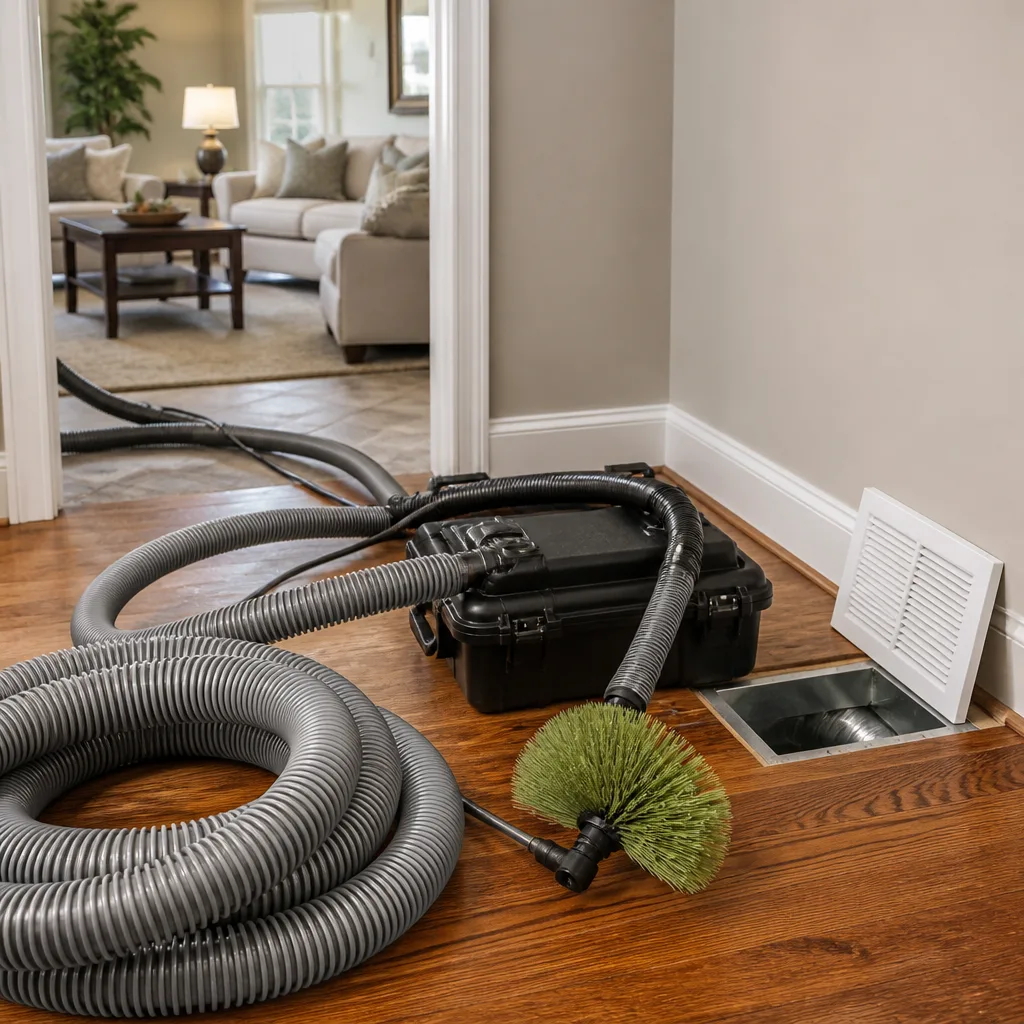 Whole-home duct cleaning
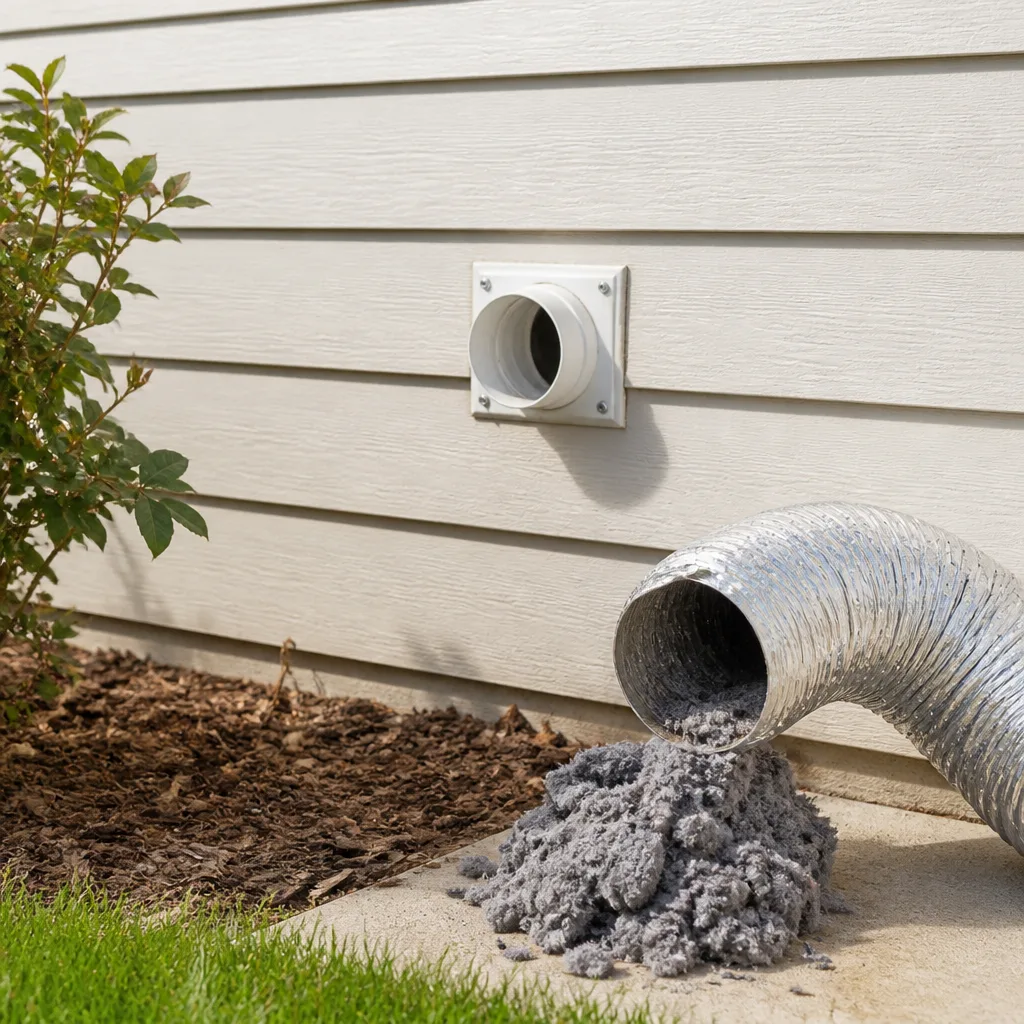 Dryer vent cleaning
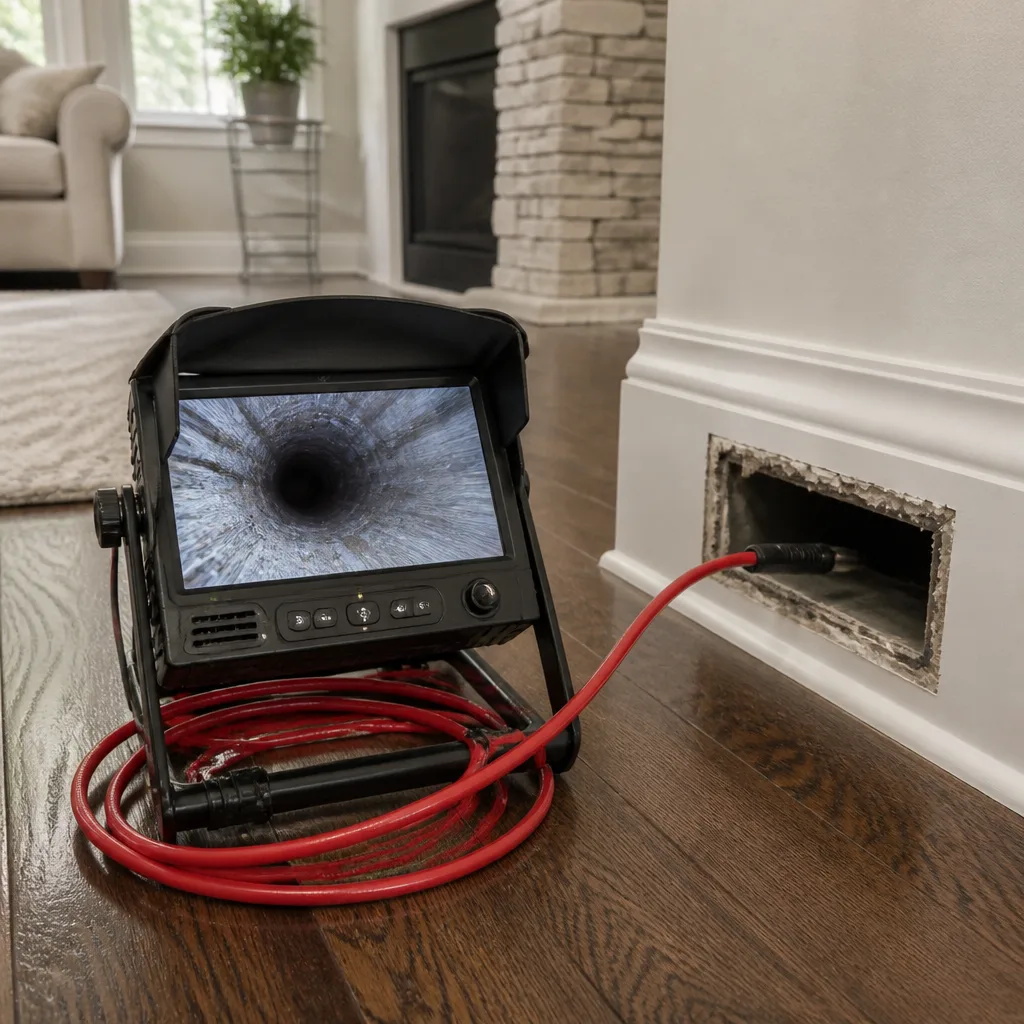 Camera inspection
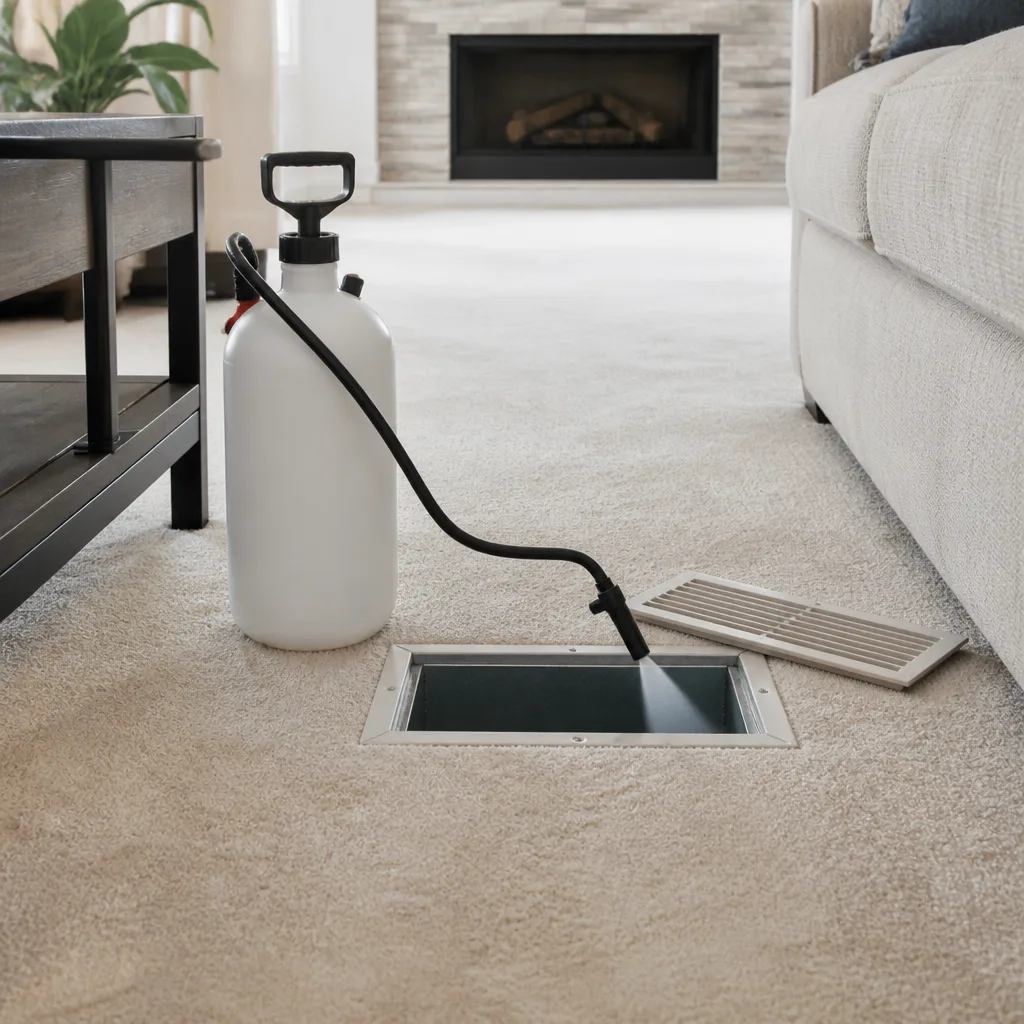 Sanitizing & deodorizing
Whole-system duct and dryer vent check with before-and-after photos - you see exactly what came out of your vents
That "$99 whole-house special" is a bait ad - the real number appears once they are in your hallway, or the "clean" is a shop-vac at the register. We photograph the inside of your ducts before and after instead.
Air Duct Cleaning Warning Signs: A Herriman Homeowner’s Reference Guide
A thick dust ring on a supply register is the warning sign everyone notices. A disconnected flex duct in the attic that’s been blowing conditioned air into the insulation while pulling attic particulates back through the return produces almost no visible clue at the register level, and in our experience it’s one of the most common findings in Herriman’s newer homes. The signs that cost homeowners the most are the ones that never show up on a register. This guide separates the visible signs from the sensory ones from the invisible conditions that only a camera inspection reveals, and it tells you which HVAC symptoms actually point at your ductwork rather than your equipment.
Quick Answer
Duct cleaning warning signs fall into three groups: visible signs like dust rings around registers and black staining on walls and ceilings; sensory signs like musty or chemical odors when the system starts up; and invisible conditions such as disconnected joints, collapsed flex sections, and deteriorated duct liner that require a camera inspection to find. In Herriman, the strongest trigger is a recent renovation or attic insulation upgrade, because drywall dust and fiberglass migrate into ductwork even when the HVAC system itself was never touched. If two or more signs appear together, get the system inspected rather than waiting for a bigger symptom.
Styles & brands we work with
- Whole-home duct cleaning
- Dryer vent cleaning
- Camera inspection
- Sanitizing & deodorizing
Table of Contents
- Visible Warning Signs and What They Mean Mechanically
- Sensory Warning Signs Specific to Utah Homes
- Invisible Warning Signs a Camera Inspection Finds
- HVAC Performance Signals: Ductwork or Equipment?
- Post-Renovation: Why Any Project Should Trigger an Inspection
- Who Notices Duct Contamination First
- What a Proper Inspection Involves
- Common Mistakes to Avoid
Visible Warning Signs and What They Mean Mechanically
Visible signs are the easiest to read, but most homeowners read them wrong. A dusty register isn’t proof that the whole duct system is dirty. It’s a pointer to where something mechanical is happening. Learn to read the sign itself, not just its presence, and you’ll know whether you’re looking at normal dust or a real airflow problem.
- Dust rings around supply registers. A distinct ring or halo of dust on the ceiling or wall around a register usually means high-velocity bypass. Air is escaping around the boot where the duct meets the register rather than flowing cleanly through it. The escaping air carries dust that settles in a ring. It’s a sealing problem as much as a cleaning problem, which is why we treat duct repair and sealing as its own service category.
- Black staining around registers or on nearby walls. This is filtration soiling. Air leaks at the register pull dust-laden room air through the drywall or the gap behind the trim, and the dust collects like a filter. Over time the stain darkens. It’s a reliable visual clue that air is moving where it shouldn’t.
- Debris packed into diffuser fins. When you can see fuzz, dust, or debris caught in the fins of a diffuser, the upstream filter is compromised, missing, or sized wrong. Air is arriving at the register already dirty. Check the filter before assuming the ducts need cleaning, because a dirty diffuser with a clean filter points back at the ductwork itself.
- Streaking on ceiling around vents. Similar to a dust ring but longer, streaking suggests sustained leakage along a joint or seam. It’s common where a ceiling register sits above a hallway with a lot of foot traffic, because the dust load in the air is higher there.
In Herriman’s newer construction, one specific visible sign keeps coming up: a dusty ring around a register that has barely been used. That means the boot wasn’t sealed to the ceiling properly during the build. Any visible sign is worth photographing before you call for an estimate, so you can compare your photos to the before-and-after photos taken during the work. See the difference before we leave is the standard we work to, and it starts with knowing what your registers looked like on day one.
Sensory Warning Signs Specific to Utah Homes
Smell is the warning sign homeowners mention most often, and it’s the one that gets misattributed most often. Musty air isn’t automatically a duct problem, but certain smells point at duct conditions with more reliability than others. In Herriman’s dry, cold-winter climate, two specific odors come up repeatedly.
Musty smell at the first heating startup
Herriman homes typically run humidifiers or whole-house humidification through the heating season. Moisture from that season can collect in ductwork, on duct liner, and around the coil enclosure. When the heat kicks on the first cold week of the year, that moisture warms up and releases a musty, earthy odor through the whole house. If the smell fades within a day and doesn’t come back, it was surface moisture. If it returns every time the heat cycles on through the winter, moisture is sitting in the system somewhere, and a duct cleaning and sanitizing visit is the right first step. Guardsman-grade protective treatments applied as a finishing step help on the surfaces we can reach, but they don’t fix a moisture source.
Chemical smell in new construction
New builds and major remodels off-gas from paints, sealants, adhesives, cabinets, and flooring. In a home with the windows closed through a Herriman winter, that off-gassing can get pulled into the return and deposited on duct surfaces, where it keeps releasing a faint chemical odor on every heating cycle. Homeowners often assume the smell is “just new house,” but when it persists months after completion and gets stronger when the furnace runs, the ductwork is holding onto it. Cleaning removes the surface deposit; ventilation and time handle the rest.
Other sensory clues worth tracking
- A stale, “closed-in” smell in one or two rooms only. That’s usually an airflow problem in the ducts serving those rooms, not a whole-house contamination issue.
- Smell that gets stronger when the system runs and fades when it’s off. That’s the signature of a contaminant sitting in the airstream itself.
- Faint smoke or soot smell from any register with no obvious source. That’s a call-now signal, not a schedule-an-appointment signal.
Invisible Warning Signs a Camera Inspection Finds
This is the part of the trade most homeowners never hear about. Herriman’s newer housing stock, much of it built in the last two decades, has duct systems with more accessible attic runs, more flex duct, and more joints than older homes with short, hard-piped runs. That means more places for a failure to hide. None of these leave a dust ring at the register.
- Disconnected flex duct joints. A run that has slipped off a collar in the attic pours conditioned air into the insulation. The return then pulls attic air back into the system and into the house. The register still feels like it’s working. The camera finds the gap.
- Collapsed or kinked flex sections. Flex duct that was installed too tight around a corner, stepped on during an attic insulation upgrade, or crushed under stored boxes stops delivering the airflow it was sized for. There’s no visible sign at the register except one that’s cooler or warmer than the rest.
- Deteriorated duct liner. Interior insulation liner can break down, especially in systems that have run through many heating seasons. Fragments then move through the airstream. A liner in poor condition is a duct repair and sealing conversation, not a cleaning one.
- Pest intrusion evidence. Mice and insects find their way into attic ductwork, particularly where a joint is already loose. Droppings and nesting material are visible on camera and confirm an inspection was overdue.
- Filter bypass at the air handler. A filter that’s the wrong size or hasn’t been seated correctly lets unfiltered air past the coil. The register-side filter looks fine; the coil and downstream ductwork behind it aren’t.
You can’t see any of these from a ladder. A camera inspection fed through the supply plenum, a few register boots, and the return can. It’s the difference between cleaning what’s visible and cleaning what’s actually there, and it’s why we run professional-grade inspection equipment rather than pulling a register and shining a flashlight.
HVAC Performance Signals: Ductwork or Equipment?
Rising utility bills, rooms that never reach the thermostat setting, and short-cycling all point at a problem somewhere in the system. The question is where. Duct leaks and restrictions cause some of these symptoms; so does failing equipment. The trick is separating them, because cleaning the ductwork won’t fix a failing compressor and a new furnace won’t fix a disconnected duct.
Here’s the practical diagnostic order we walk homeowners through:
- One room hot, all others normal. Ductwork. A single room behaving differently from the rest of the house is a supply run problem: a kink, a collapse, a closed damper, or a disconnected joint serving that room.
- Whole house slow to reach setpoint, but eventually gets there. Usually ductwork, either leakage (conditioned air lost to the attic) or restriction (airflow blocked before it reaches the registers).
- Whole house never reaches setpoint at all. Equipment or ductwork; a professional needs to look at both. Refrigerant charge and blower performance get checked alongside the duct runs.
- Short-cycling. The system heats or cools, hits the setpoint quickly, then shuts off too fast and repeats. Often equipment, but a duct restriction on the return can cause it too by starving the blower for air.
- Utility bill rising with no change in habits or weather. Duct leakage is a common culprit. That’s worth investigating before assuming equipment.
If the system is running fine but the air coming out of the registers smells or dusts, the ductwork is the only suspect. That’s straight into air duct cleaning territory. If the system is running but not delivering what it’s supposed to, start with a duct inspection and move on to equipment only if the ducts check out. Our technicians have up to 9 years of experience reading these symptoms, which matters when the answer isn’t obvious.
Post-Renovation: Why Any Project Should Trigger an Inspection
Herriman’s building activity means a lot of homes here have had a renovation, an attic insulation upgrade, or a basement finish in the last ten years. Many of those projects never touched the HVAC system directly, and homeowners often assume that means the ductwork is fine. In our experience, it doesn’t work that way. Construction generates the exact material that ends up in a duct system.
Here’s the mechanism:
- Drywall work. Cutting and sanding drywall sends fine gypsum dust into the air. The return pulls room air constantly while the system runs, so it captures a share of that dust and deposits it downstream on the duct surfaces and the coil.
- Flooring replacement. Tile, luxury vinyl, and wood flooring all generate cutting dust. If the HVAC ran during the project, some of it is in the returns.
- Attic insulation upgrades. Blown-in fiberglass and cellulose are the most common upgrade in Herriman’s older homes, and the work involves crawling through the attic, disturbing duct runs, and sometimes crushing or slipping flex joints. A duct that was fine before the upgrade can be disconnected after it.
- Kitchen and bathroom remodels. Adhesive, sealant, and paint off-gassing gets pulled into the return and deposited on duct surfaces, the same way new-construction off-gassing does.
The rule we give homeowners: if a project generated dust or disturbed the attic, schedule a duct inspection within a few months of completion, even if the registers look clean. If the project involved drywall cutting or insulation work, don’t skip it. Post-renovation is one of the two or three most common contexts we walk into Herriman homes for, alongside musty-smell complaints and rooms that never reach their temperature. Pairing the post-renovation cleaning with HVAC cleaning handles the coil and air handler side at the same time, which is the more thorough version of the job.
Who Notices Duct Contamination First
Different people notice duct problems at different thresholds, and knowing where you sit helps you decide how quickly to act. This isn’t about claiming duct cleaning cures anything. It’s about recognizing that indoor air quality issues hit some people harder and faster than others.
- Allergy and asthma sufferers. They usually notice first. A musty duct system or liner fragments in the airstream register as a symptom pattern before a visible sign shows up. If two family members with allergies both start feeling worse indoors, that’s worth an inspection.
- Parents of young children. Children spend more time on the floor and closer to register height. A parent often notices that a child is coughing more in a specific room before they notice anything about the register itself.
- People who just moved in. A house that sat empty suffers from stale air, and a home that changed hands often changes filter maintenance habits. If you moved into a Herriman home and don’t know when the ducts were last cleaned, get an inspection rather than guessing.
- People who just renovated. Covered in the last section, but worth naming here: renovators usually notice a change in smell before they notice dust.
- Anyone noticing a musty smell on system startup. Sensory warning sign worth following up on.
The point is that health-type signals often arrive before mechanical ones. If your body is flagging something, treat it as a warning sign in its own right, and start with a camera inspection. It’s also worth checking the filter first: a dirty filter, a wrong-size filter, or a filter that’s never been changed is behind a surprising number of “duct” complaints. Our full-scope dryer vent cleaning and air quality services exist so airflow hazards throughout the home get looked at in the same visit, rather than in separate appointment cycles.
What a Proper Inspection Involves
An inspection that finds the invisible conditions has to look at places you can’t see from the register. A homeowner who’s never had it done often doesn’t know what to expect, so here’s the process. We use professional-grade equipment throughout, including Rotobrush and Nikro duct cleaning systems and Abatement Technologies filtration tools. That equipment standard applies to the inspection as much as it does to the cleaning.
- Walk-through and register audit. Every supply and return is checked for dust rings, staining, and diffuser debris. The thermostat setpoint and current temperature are recorded.
- Filter and air handler inspection. Filter size, condition, and seating. Blower compartment check. Any sign of bypass or debris buildup at the coil.
- Camera inspection of accessible duct runs. A camera is fed into the supply plenum and through accessible attic runs. This is where disconnected joints, collapsed flex, liner deterioration, and pest evidence show up.
- Blower door or airflow check where relevant. Confirms whether the system is moving the volume it was designed for.
- Written estimate and discussion. Findings on paper, so you know what needs cleaning, what needs sealing, and what needs repair, and which of those is which. Our pricing is per system by written estimate, agreed before work starts.
- Cleaning and documentation. If cleaning is the right answer, the work happens with professional-grade equipment, and before-and-after photos of your ductwork are taken so you can see what was removed.
An inspection that skips the camera can’t find the disconnected joints that cost the most. Herriman’s newer homes, with their accessible attic duct runs, are exactly where a camera inspection pays off fastest. If a contractor shows up, shines a flashlight into one register, and quotes a whole-house cleaning, that’s not an inspection. It’s a sales call.
Common Mistakes to Avoid
- Judging the whole system by one register. A dusty register doesn’t mean the ducts are dirty; it means that register is telling you something. Look at the filter and the boot seal before assuming the whole system needs cleaning.
- Skipping a camera inspection after a renovation. Drywall dust and attic insulation work leave contamination that a register-side look never catches. Herriman homes in the middle of remodel-heavy neighborhoods are the most common case of homeowners assuming “the HVAC wasn’t touched” means “the ducts are fine.”
- Attributing a musty smell to the ducts alone. Moisture points at a source. A duct cleaning and sanitizing visit is a reasonable first step, but if the smell returns the same week, the moisture source needs to be found, not just re-cleaned.
- Using a cheap quote as the decision-maker. A quote that’s dramatically lower often means equipment that wasn’t up to the job, no camera inspection, or per-vent pricing that grows once the technician is on site. The right question is what equipment is used, whether the quote is per system, and whether you’ll see before-and-after photos.
- Ignoring small airflow symptoms until they grow. A room that’s ten degrees off in October is a small annoyance. By February, the same restricted run has been running longer cycles all season. Herriman’s cold stretches make airflow issues more expensive to ignore.
- Assuming a new build is automatically clean. Newer construction in Herriman is exactly where disconnected flex joints and crushed runs show up most often, because those systems have more attic flex than older piped systems.
- Not checking the filter before calling. A wrong-size or unseated filter causes many “dirty duct” symptoms. Rule that out first.
See the difference
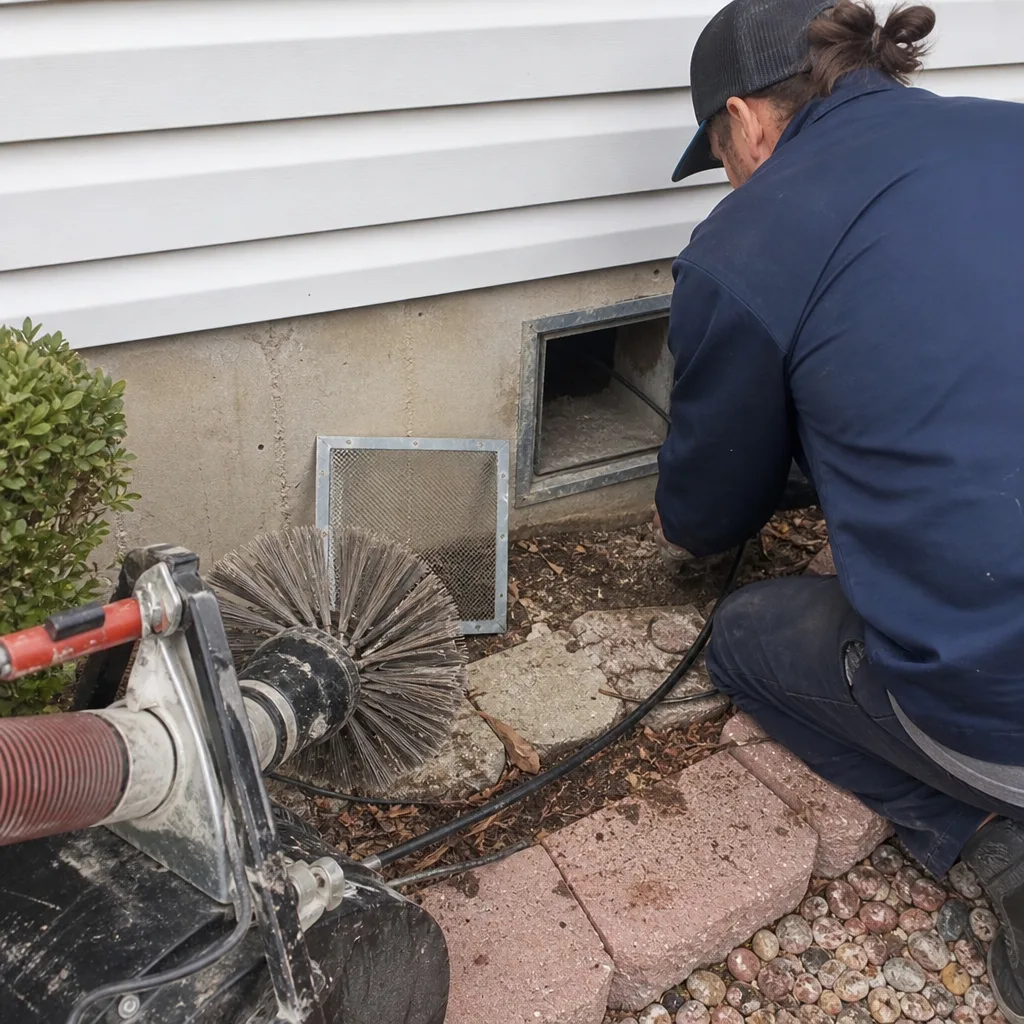 Before
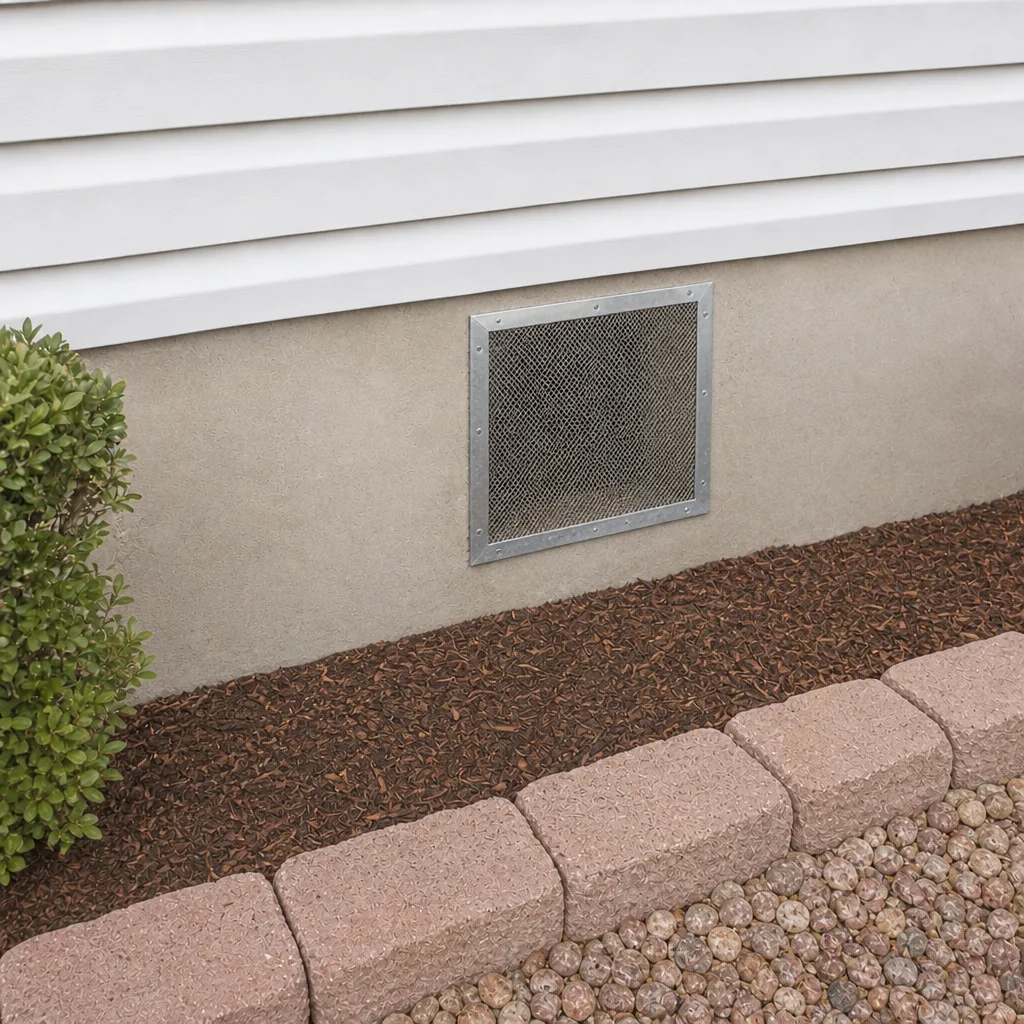 After
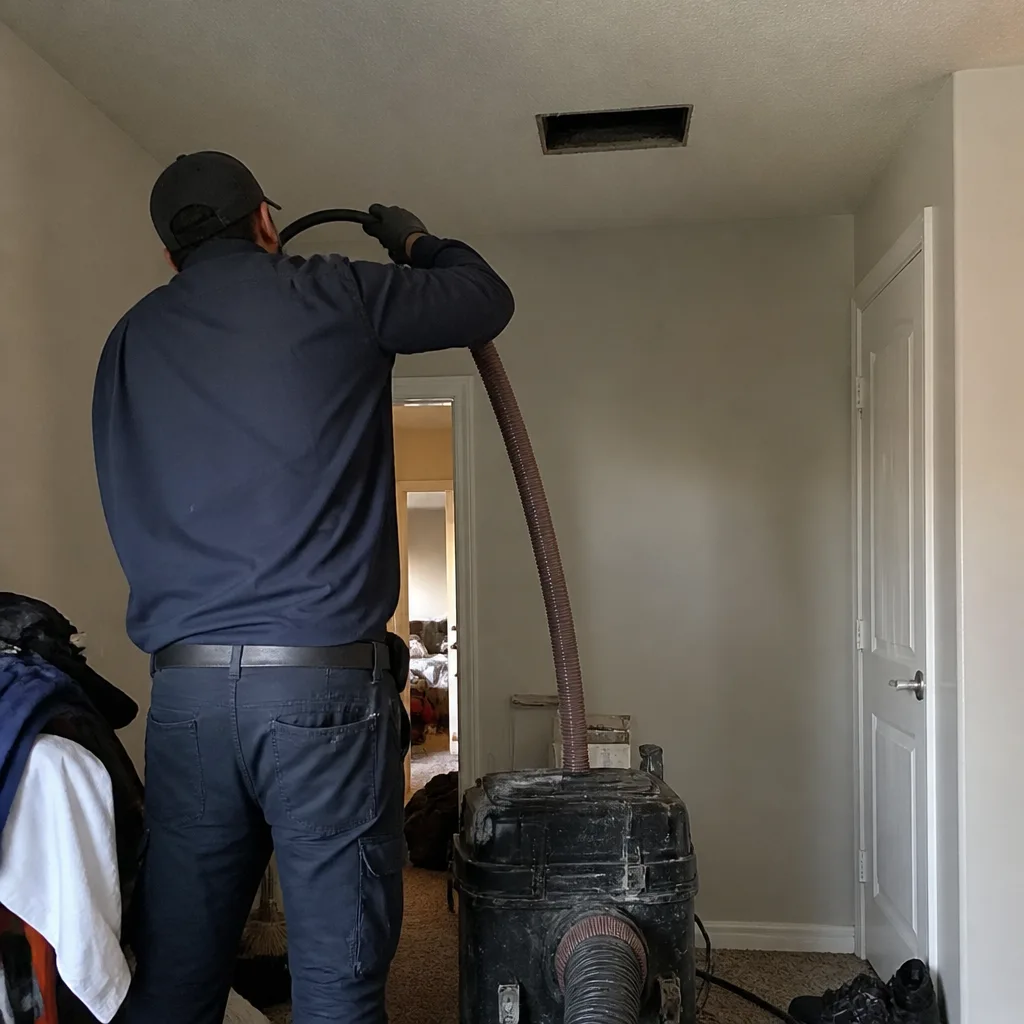 Before
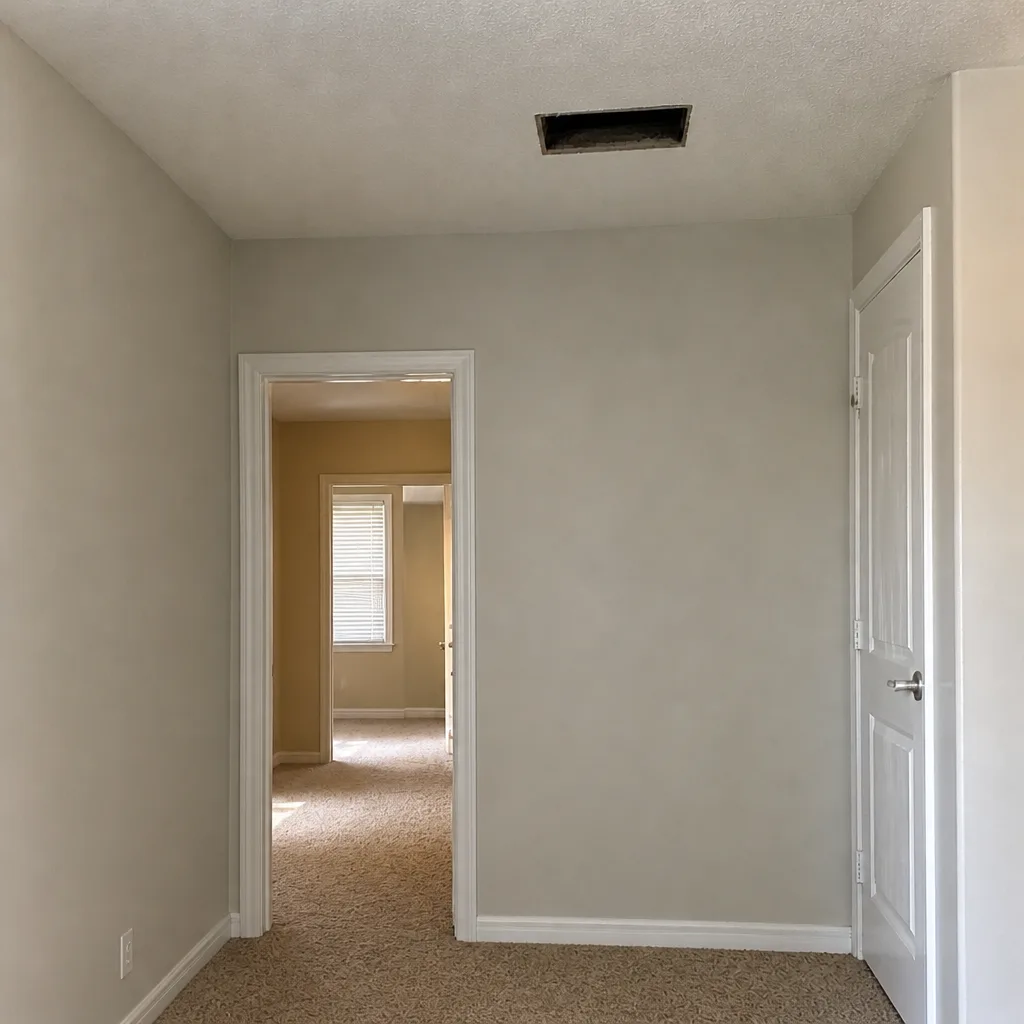 After
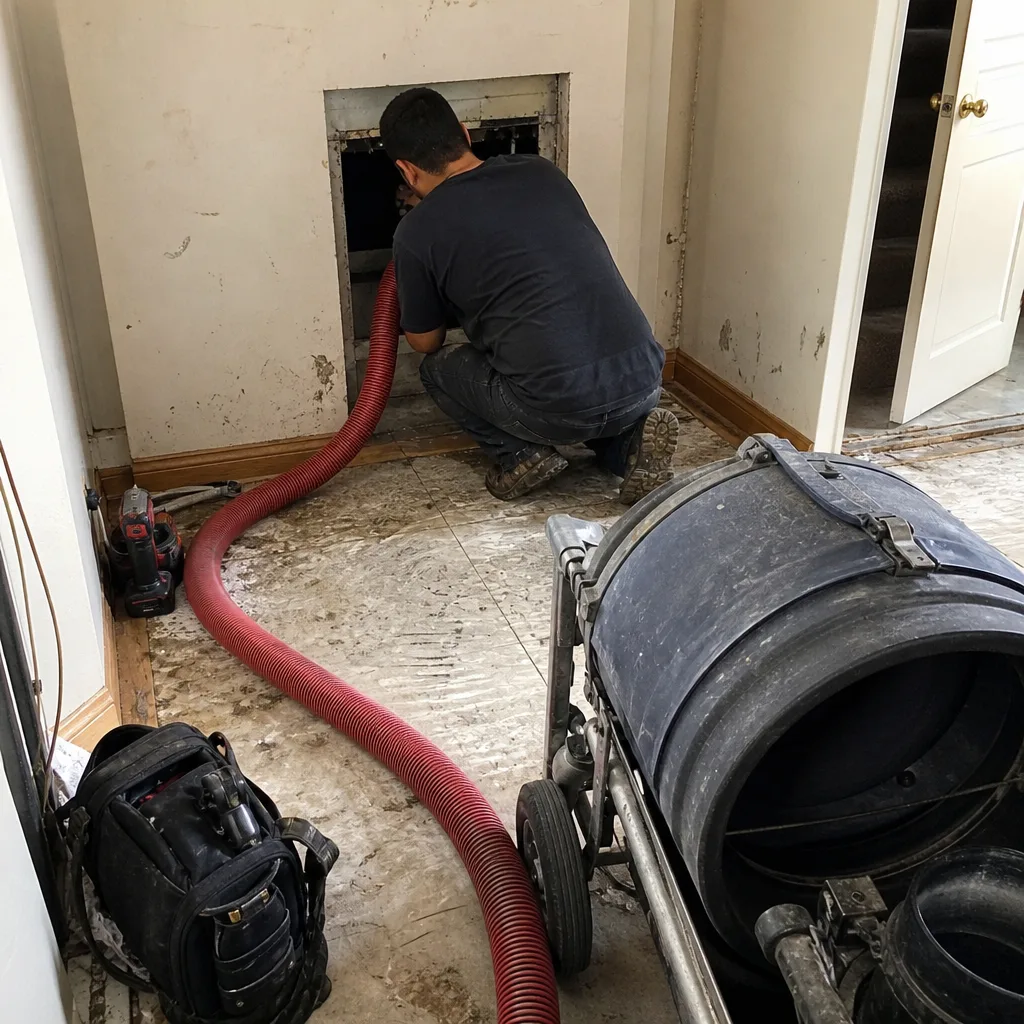 Before
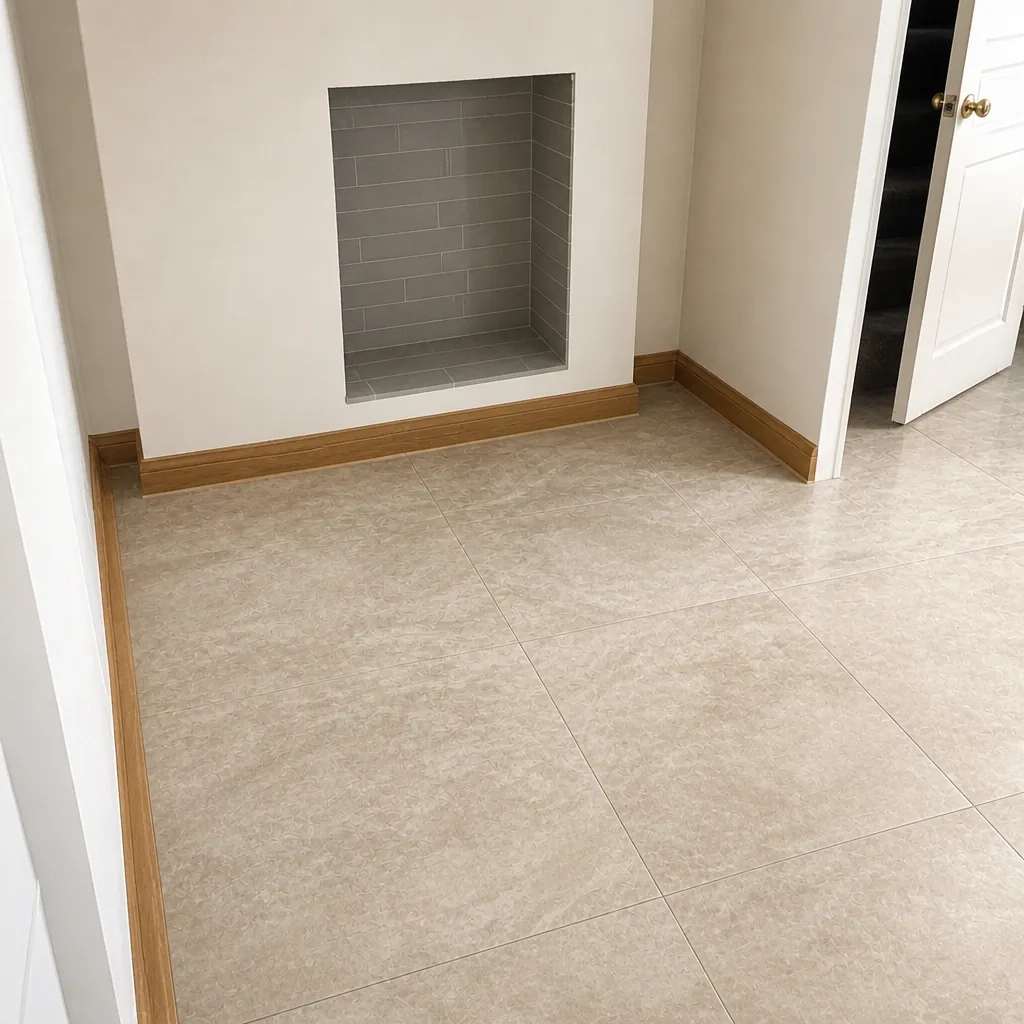 After
When to Call a Professional
Call when two or more warning signs appear together, when a renovation has just finished, or when a smell keeps returning after a filter change. Specifically: a musty or chemical smell that returns every time the system cycles; a dust ring that reappears within weeks of being wiped; a room that stays noticeably hotter or colder than the rest of the house; rising utility bills with no change in habit; visible dark staining around registers; construction dust from a recent project; and any evidence of pest activity in the attic near ductwork. Herriman Air Duct Cleaning Pros offers free estimates in Herriman. Call (844) 443-4862. We answer 24/7. Fast dispatch from 7am to 7pm, Sunday through Friday. A single mild sign can often wait; a pattern of signs shouldn’t.
Frequently Asked Questions
You need cleaning if two or more warning signs appear together: a dust ring that returns after wiping, a musty smell at heating startup, a room that won’t reach setpoint, recent renovation dust, or visible attic pest activity. One mild sign is worth an inspection call; two or more is worth booking. Call (844) 443-4862 for a free estimate, and we’ll tell you what a camera inspection finds.
A dust ring around a vent usually means high-velocity bypass: air is escaping around the register boot rather than flowing cleanly through the register. The escaping air carries dust that settles in a ring. That’s a sealing problem as much as a cleaning problem, which is why duct repair and sealing is often paired with a cleaning. Wipe the ring once and see how fast it returns; a ring that comes back within weeks is a real bypass signal.
Moisture that’s collected in ductwork or on duct liner during the humidifier season releases a musty odor when heating starts. If the smell fades within a day and doesn’t come back, it was surface moisture. If it returns every heating cycle through the winter, moisture is sitting in the system and a duct cleaning and sanitizing visit is the right first step. If it returns immediately after a cleaning, the moisture source itself needs to be found. Call (844) 443-4862 for an exact quote; estimates are free.
Yes. A disconnected flex duct in the attic pours conditioned air into the insulation and pulls attic air back through the return, with no visible sign at the register. The system still runs. The only way to confirm it is a camera inspection of accessible duct runs. Herriman’s newer homes, with more attic flex duct, are where this shows up most often.
There’s no universal calendar. The trigger is warning signs, not a number of years: a renovation, an attic insulation upgrade, a persistent musty smell, a recurring dust ring, or a camera inspection that found contamination. Homes without any of those triggers can go years without needing it. Homes that trigger one or two of them may need it within months of the event.
Cheap quotes usually skip the camera inspection, use entry-level equipment, or quote per vent and let the price grow once the technician is on site. The right comparison is per system, with equipment named, an inspection included, and before-and-after photos provided. We quote per system by written estimate, agreed before work starts, so the number doesn’t move. Call (844) 443-4862 for an exact quote; estimates are free.
The Bottom Line
The warning signs that matter most are the ones that don’t show up at the register. Visible signs (dust rings, black staining, diffuser debris) are useful pointers toward mechanical causes. Sensory signs (musty smell on first heating startup, chemical odor in new construction) point at what’s sitting in the airstream. The invisible conditions, disconnected joints, collapsed flex sections, deteriorated liner, and pest evidence, are the ones that cost the most, and they’re the ones a camera inspection finds. If any of these have shown up in your Herriman home, or if you’ve recently finished a renovation or attic insulation upgrade, book an inspection. Learn more at Herriman Air Duct Cleaning Pros.
Get an Answer This Week
If you’ve read this guide and one or two of these signs have landed close to home, call us. We’ll bring professional-grade inspection equipment, run the camera through the runs that matter, and give you a written estimate that’s per system and agreed before any work starts. Call (844) 443-4862. We answer 24/7. Fast dispatch from 7am to 7pm, Sunday through Friday. Estimates are free.
Written by the team at Herriman Air Duct Cleaning Pros.