
Last updated November 23, 2026
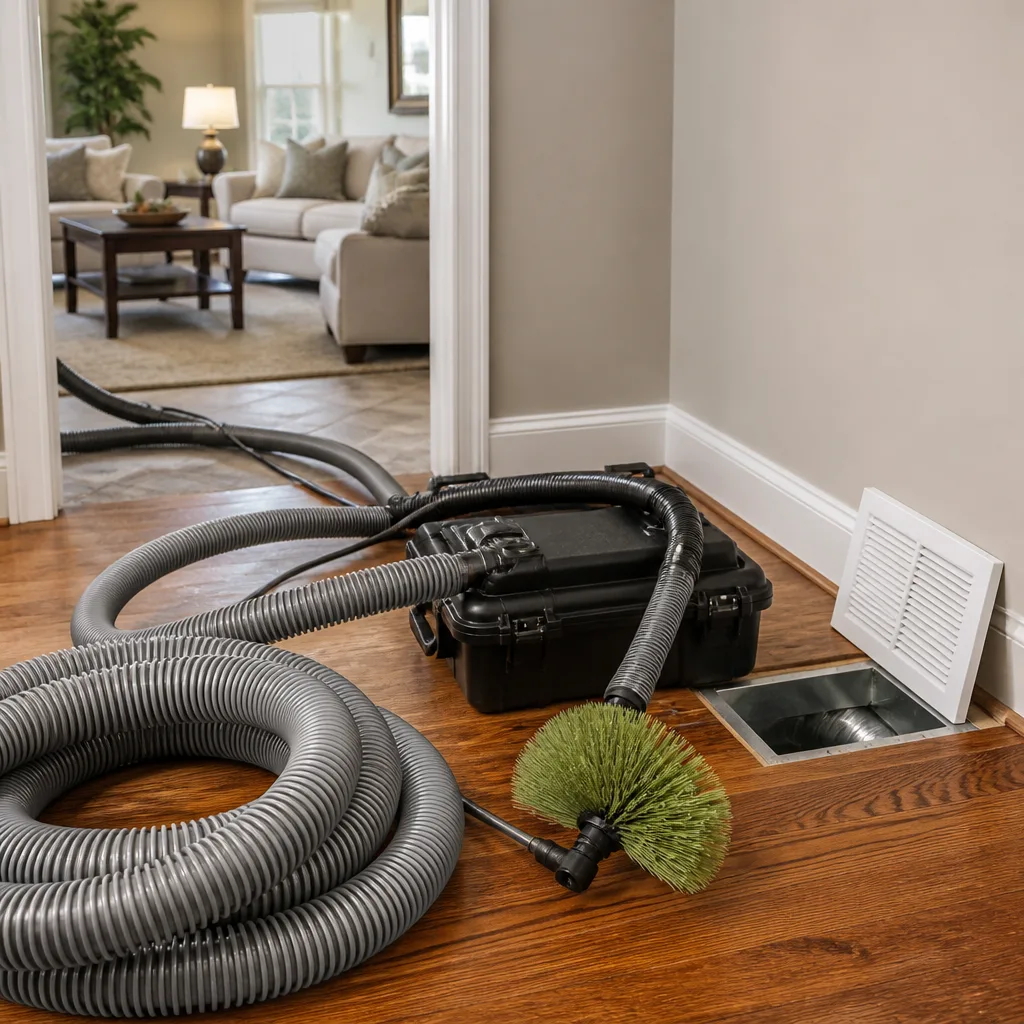 Whole-home duct cleaning
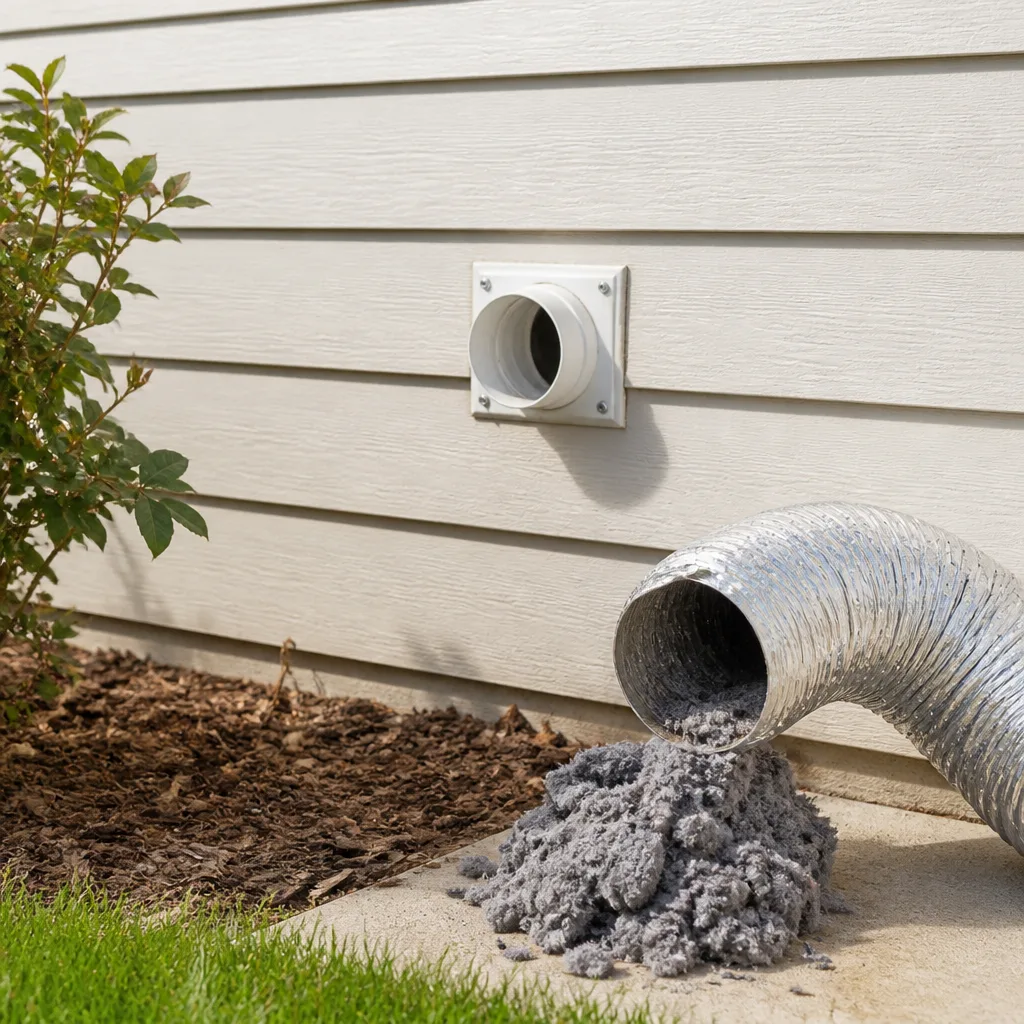 Dryer vent cleaning
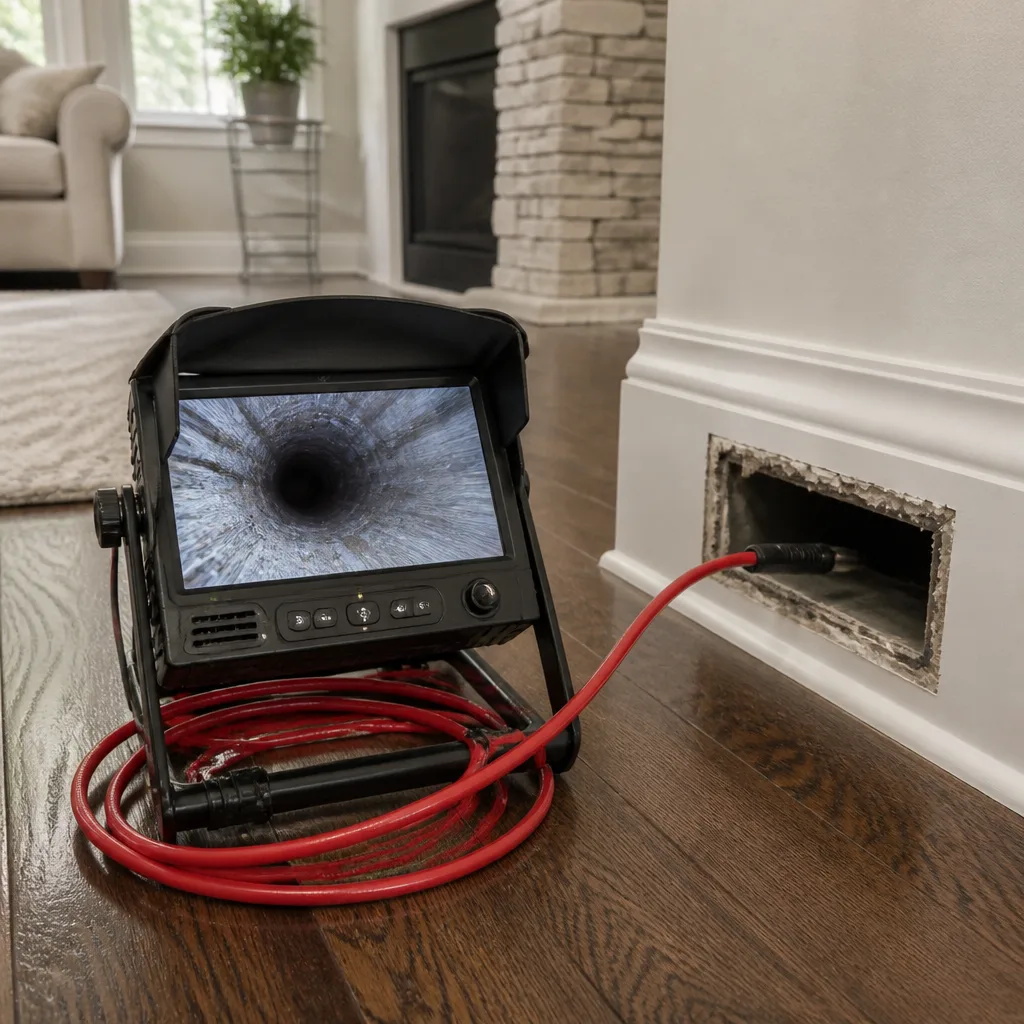 Camera inspection
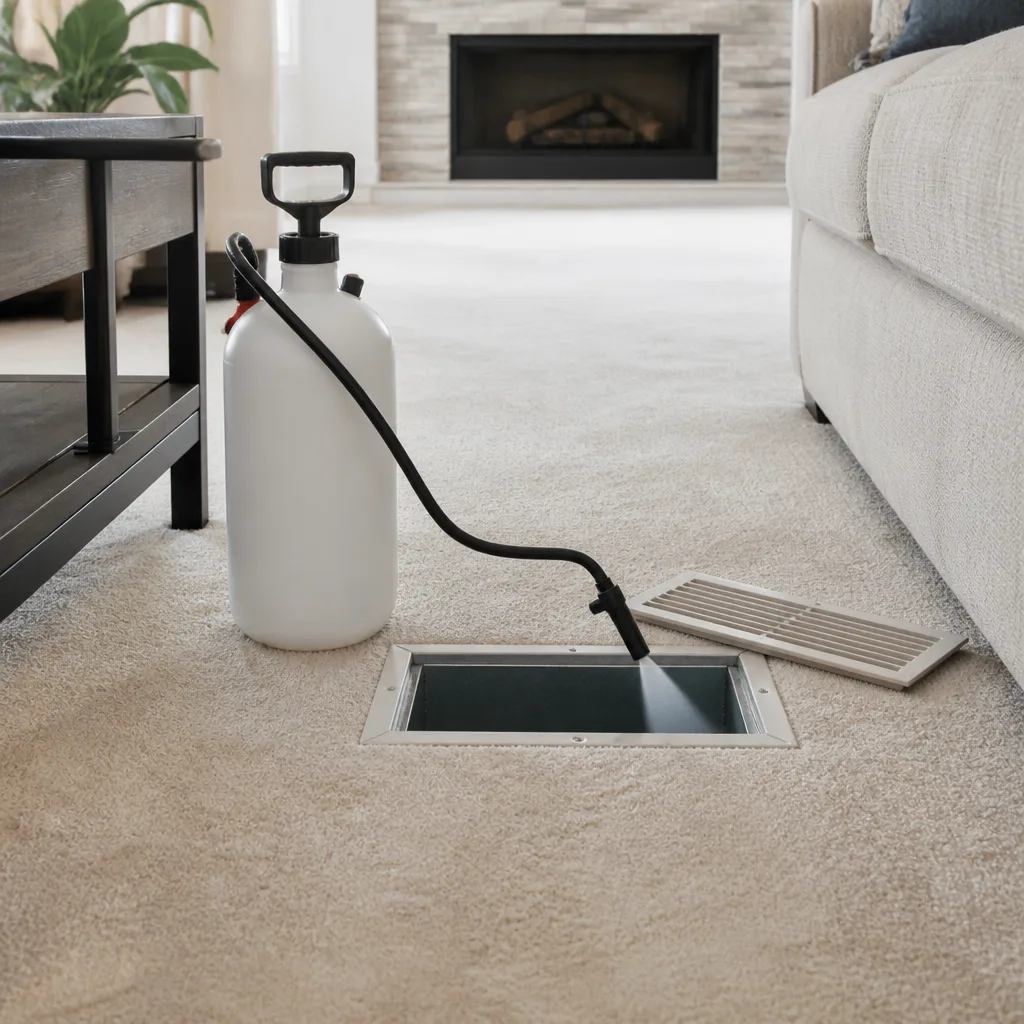 Sanitizing & deodorizing
Whole-system duct and dryer vent check with before-and-after photos - you see exactly what came out of your vents
That "$99 whole-house special" is a bait ad - the real number appears once they are in your hallway, or the "clean" is a shop-vac at the register. We photograph the inside of your ducts before and after instead.
Air Duct Cleaning Permits, Codes & Inspections in Herriman, UT: What You Need to Know
Here’s the part most homeowners get wrong: cleaning your ducts is not a permitted trade activity. You don’t pull a permit to vacuum out a supply trunk, and no city inspector is going to sign off on the inside of your ductwork. But that doesn’t mean Herriman duct work sits entirely outside the building code. The cleaning itself is exempt. What happens when a cleaning uncovers a problem is a different story. A disconnected trunk line, a flex run crushed during an HVAC upgrade, mold growing on interior duct lining, or a dryer vent that needs rerouting can each cross into work that requires a licensed contractor and, in some cases, a Salt Lake County mechanical permit and inspection. This guide walks through where that line sits, which Utah license classifications apply, and how to tell a maintenance job from a regulated one in Herriman.
Quick Answer
Air duct cleaning in Herriman, UT does not require a permit. Routine cleaning, inspection, and sanitizing of existing ductwork fall under maintenance and are permit-exempt. The moment a job involves repairing, replacing, rerouting, or extending ductwork or a dryer exhaust, it becomes a mechanical alteration, which typically needs a permit through Salt Lake County and a contractor licensed under the Utah Division of Occupational and Professional Licensing. Mold remediation inside ductwork can trigger a separate qualification standard altogether.
Styles & brands we work with
- Whole-home duct cleaning
- Dryer vent cleaning
- Camera inspection
- Sanitizing & deodorizing
Table of Contents
- What’s Permit-Exempt: Cleaning, Inspection, and Sanitizing
- When Duct Repair Crosses Into Permitted Work
- Utah DOPL Licenses: Who’s Allowed to Do What
- Mold in Ductwork: When It Becomes Regulated Abatement
- New Construction in Herriman: Builder Warranty and Commissioning
- Dryer Vent Alterations: Rerouting and Extension Rules
- How a Mechanical Inspection Actually Works
- Common Mistakes to Avoid
What’s Permit-Exempt: Cleaning, Inspection, and Sanitizing
Cleaning ductwork is maintenance, full stop. No permit, no inspection, no code section governs how thoroughly a contractor vacuums a residential supply system. The same goes for visual inspection with a camera and for surface sanitizing of duct interiors. These are service activities, not construction activities, and Herriman homeowners can schedule them without involving the city at all.
What separates a legitimate cleaning visit from a quick pass is equipment, and this is where the trade splits. Consumer vacuums and entry-level portable units move air but don’t create the negative pressure needed to pull debris from an entire system. Professional-grade setups like Rotobrush and Nikro systems are built for residential scale but function on the same principle as commercial duct cleaning rigs: agitate the debris, hold the system under negative pressure, and capture everything at the source. When we send technicians out, that’s the standard we hold to, and it’s why our technicians have up to 9 years of experience running this equipment rather than figuring it out on your job.
A thorough cleaning visit generally covers:
- Supply and return duct interiors, from the plenum to the registers
- Register and grille removal, cleaning, and reinstalling
- Blower compartment and accessible air handler surfaces
- Before-and-after camera documentation of what was actually removed
None of that requires a permit in Herriman. All of it is worth asking about before you book, because the difference between a real cleaning and a surface-level one shows up in exactly those steps. Our air duct cleaning service is built around that scope, and we’re explicit about what’s included before any work starts.
When Duct Repair Crosses Into Permitted Work
This is the gray zone that trips up homeowners and contractors alike. Cleaning a duct is exempt. Modifying it is not. The moment a technician disconnects a run, replaces a section, reroutes a trunk, or extends ductwork into a new space, that’s construction work under the mechanical code, and in most Herriman jurisdictions it needs a permit through Salt Lake County before the work begins.
In practical terms, here’s how the split falls:
- Permit-exempt: cleaning, camera inspection, sanitizing, sealing small accessible leaks with mastic or tape on existing joints, and resecuring a loose register boot that hasn’t moved location
- Typically permitted: replacing a crushed or disconnected flex run, rerouting a trunk line, adding a new supply branch, extending ductwork for a remodel, and modifying the air handler connection
Herriman homes often sit on expansive soils and experience significant seasonal swings, and ductwork in unconditioned attics and crawlspaces takes the worst of it. Flex duct that sags, crushes, or separates at a fitting is common here. When we clean a system and find a disconnected trunk, our job is to document it and tell you plainly what needs to happen next, not to quietly reconnect it and move on. Reconnecting a trunk that carries conditioned air is a modification, and it should be done by a licensed mechanical contractor with a permit pulled if the scope warrants.
That single distinction, cleaning versus modifying, is the one that matters most in this whole guide. It’s also the one that produces the worst outcomes when ignored, because homeowners end up paying for duct “repair” that either wasn’t permitted or wasn’t done by someone licensed to do it at all.
Utah DOPL Licenses: Who’s Allowed to Do What
The Utah Division of Occupational and Professional Licensing, usually called DOPL, governs who can perform which categories of work in the state. Duct cleaning itself is not a licensed trade in Utah. Duct installation and HVAC modification are, and that distinction is what you need to check before you hire.
Three license classifications come into play:
- No license required: duct cleaning, inspection, and surface sanitizing as standalone maintenance activities
- Mechanical contractor license: installation, replacement, repair, and modification of HVAC systems and ductwork. This is what a contractor needs to legally reconnect that disconnected trunk or reroute a supply line in a Herriman home.
- Mold remediation certification: abatement work involving regulated mold remediation inside a building’s HVAC system. This is separate from both duct cleaning and mechanical contracting.
Ask two direct questions before you hire anyone for duct repair work in Herriman. First, ask to see their DOPL license classification and confirm it covers mechanical work, not just cleaning. Second, ask whether they pull permits. A contractor who does this work regularly will know exactly which jobs need a permit and which don’t, and will answer without hesitation. One who hedges or changes the subject isn’t equipped to do the work.
Ask the same questions of anyone offering HVAC cleaning. Duct cleaning and HVAC system cleaning sometimes get lumped together, and the distinction matters when a cleaning uncovers components that are the contractor’s responsibility to service versus the cleaner’s responsibility to document.
Mold in Ductwork: When It Becomes Regulated Abatement
Faint surface growth on duct interior lining is common in humid months, particularly on the inside of the air handler and the upstream side of the coil. Surface cleaning and sanitizing address that. But when mold growth is extensive, recurring, or rooted in porous duct lining rather than the metal surfaces, the work shifts from maintenance into abatement territory, and the qualifications to do it change.
Utah regulates mold remediation as a distinct activity, and it’s not the same license that allows duct cleaning or mechanical work. A duct cleaning company that encounters a heavily colonized system should be able to tell you the difference and refer appropriately. It shouldn’t proceed with sanitizing as if that solves the problem, because sanitizing a porous surface that’s hosting active growth doesn’t fix the moisture source and doesn’t remediate anything.
What separates surface cleaning from remediation in practice comes down to scope and verification:
- Surface growth addressing: vacuuming interior surfaces, applying a sanitizing treatment, and following with a protective coating is maintenance. Guardsman-level sanitizing treatments are available as a finishing step in our work, and they add post-clean surface protection beyond what a plain clean leaves behind.
- Regulated abatement: containment, negative pressure, HEPA filtration, removal of colonized porous materials, and post-remediation verification, typically by a contractor certified for remediation work. Abatement Technologies filtration equipment is the standard here, and the same brand is what we rely on for containment and filtration in our own work.
Herriman’s dry climate reduces mold pressure compared to more humid parts of the country, but that’s misleading. Water intrusion from a roof leak, a failing condensate line, or a flooded crawlspace is the actual driver, not ambient humidity. If you’ve had water damage in a Herriman home or noticed a persistent musty smell coming from the registers, ask what the cleaning plan does about the source, not just the growth.
New Construction in Herriman: Builder Warranty and Commissioning
Herriman has been one of the fastest-growing cities in the Salt Lake Valley, and a lot of housing stock here is recent construction. That creates a specific question homeowners ask us: can I get my ducts cleaned right after moving in, before I’ve settled in and decorated?
The answer is yes, but with timing caveats that matter for your warranty. A new HVAC system has to be commissioned and inspected before it’s put into service. If you call for a cleaning on a system that hasn’t been through its final inspection, you risk two things: first, the cleaning happens before the duct system has been verified for tightness and proper connection, which means you might pay for a cleaning on ductwork that gets modified afterward, and second, the builder may take the position that cleaning during the warranty period voided certain coverage if they can tie a later problem back to it.
A straightforward sequence avoids both issues:
- Confirm the HVAC system passed final inspection and the certificate of occupancy is in hand before scheduling anything.
- Read the builder’s warranty language on HVAC maintenance, or ask the builder directly what cleaning activity is allowed during the warranty term.
- Schedule a cleaning that includes a camera inspection of the full duct system, because new construction ductwork often picks up drywall dust, construction debris, and dust from the site that builds up in the plenum and main trunks.
- Hold on to the cleaning documentation, including before-and-after photographs, in case a warranty claim ever comes up.
Construction debris is the specific reason the cleaning matters in new homes: drywall dust and sawdust settle in trunks and on coils and reduce airflow from day one. That’s maintenance, not a warrantied defect, and it’s the homeowner’s responsibility to address. If the cleaning uncovers a crushed duct from a subcontractor’s rough-in, that’s a warranty item and should be documented and handled by the builder before anything gets modified.
Property managers in Herriman face the same question from tenants moving into new rental units, and the sequence applies identically. Document the condition of the system before move-in so any later dispute has a baseline.
Dryer Vent Alterations: Rerouting and Extension Rules
Dryer vent cleaning is maintenance and needs no permit. Rerouting or extending a dryer exhaust, though, is a mechanical alteration under the residential code, and it’s one of the most commonly overlooked permit situations in Herriman homes.
The rules that matter when you’re changing a dryer vent:
- Maximum run length: residential dryer exhaust has a maximum developed length set by the code, and every 90-degree elbow in the run reduces the allowable length. Long, elbows-heavy runs are the reason some Herriman homes have chronic lint buildup and slow drying.
- Termination: a dryer vent must terminate outdoors with an approved hood or back-draft damper. Venting into an attic, crawlspace, or garage is prohibited and creates real fire and moisture problems.
- Material: smooth metal duct is required. Flexible foil or vinyl duct is prohibited for dryer exhaust in most code editions, and for good reason.
- Permitting: if the rerouting changes the location of the termination or extends the run meaningfully, expect a permit and inspection. Simply cleaning the existing run doesn’t.
Lint accumulation is the leading cause of residential dryer fires, and a vent that’s undersized or long is an active hazard regardless of how often it’s cleaned. When we do dryer vent cleaning in Herriman homes, we check the run length and termination as part of the job, and we tell you plainly if the setup looks like it needs correction rather than a cleaning alone. If it needs correction, that’s the mechanical contractor’s scope with a permit, not ours.
Homeowners who address both duct cleaning and dryer vent work in the same visit get a full picture of the home’s airflow hazards at once, which is the reason we handle both as one service rather than sending a separate contractor for each.
How a Mechanical Inspection Actually Works
If your duct work requires permitted repairs, the process follows a predictable pattern in Herriman and the rest of Salt Lake County. Understanding it in advance keeps the project from stalling.
- Permit application and issuance: the licensed contractor applies for the mechanical permit through the county. The permit describes the scope of work, and the fee is set by the county based on the project.
- Rough-in inspection: after the ductwork or exhaust is installed but before it’s concealed behind drywall or insulation, the inspector verifies connection, support, and materials. For duct replacement, this is usually the critical inspection.
- Final inspection: once the system is complete and back in service, the inspector verifies the installation is correct and that the system performs as intended. A final inspection typically means the ducts are sealed, connected, and functioning properly, and the dryer vent has proper termination.
- Closeout: the permit is closed, and you should retain a copy of the inspection records. These matter if you ever sell the property, since unpermitted mechanical work is a common discovery in real estate transactions and creates a negotiation problem for the seller.
The inspection is a code compliance check, not a cleaning verification. An inspector is confirming that the ductwork is correctly installed and code-compliant, not that it’s clean. Those are separate questions and separate jobs, and no inspector is going to sign off on the cleaning quality of your system. That documentation comes from the cleaning company, and before-and-after photographs of your own ducts are the proof worth demanding.
The practical takeaway: permit and inspection cover the construction, cleaning quality is a service standard. Both matter in Herriman, and neither one replaces the other. If you’re entirely unsure how your home’s airflow is set up, our Herriman Air Duct Cleaning Pros team can assess what you’ve got before you commit to either a cleaning or a repair.
Common Mistakes to Avoid
- Assuming the cleaning company is also licensed to repair. Duct cleaning is unlicensed in Utah. Duct repair and HVAC modification are not. Ask about DOPL classification before you hire for anything beyond cleaning and inspection.
- Letting a cleaning contractor reconnect a disconnected trunk. Reconnecting trunk lines is a mechanical modification. It needs a licensed mechanical contractor and, in many cases, a permit. A cleaner who quietly reconnects it and moves on is creating a future problem.
- Skipping warranty checks on new construction. Herriman has a lot of recent housing. Check the builder’s HVAC warranty language before scheduling maintenance during the warranty term, and have the system commissioned before the cleaning.
- Extending a dryer vent without a permit. Rerouting a dryer exhaust in a Herriman home is a permit-and-inspection situation. It’s also a fire hazard if done with the wrong material or the wrong run length.
- Treating surface mold as remediation. Sanitizing a duct surface is maintenance. Regulated mold remediation has a separate qualification standard. If you have recurring growth or water intrusion, get the source addressed, not just the growth.
- Hiring on price alone for regulated work. When duct repair, mold remediation, or dryer vent rerouting is involved, the low quote is often the one that skips the permit. Check the license, check the insurance, and confirm the contractor pulls permits as their standard practice.
- Accepting a cleaning without documentation. Before-and-after photographs of your own ducts are the only real verification. If a company can’t show you what changed, you can’t know the work was done.
See the difference
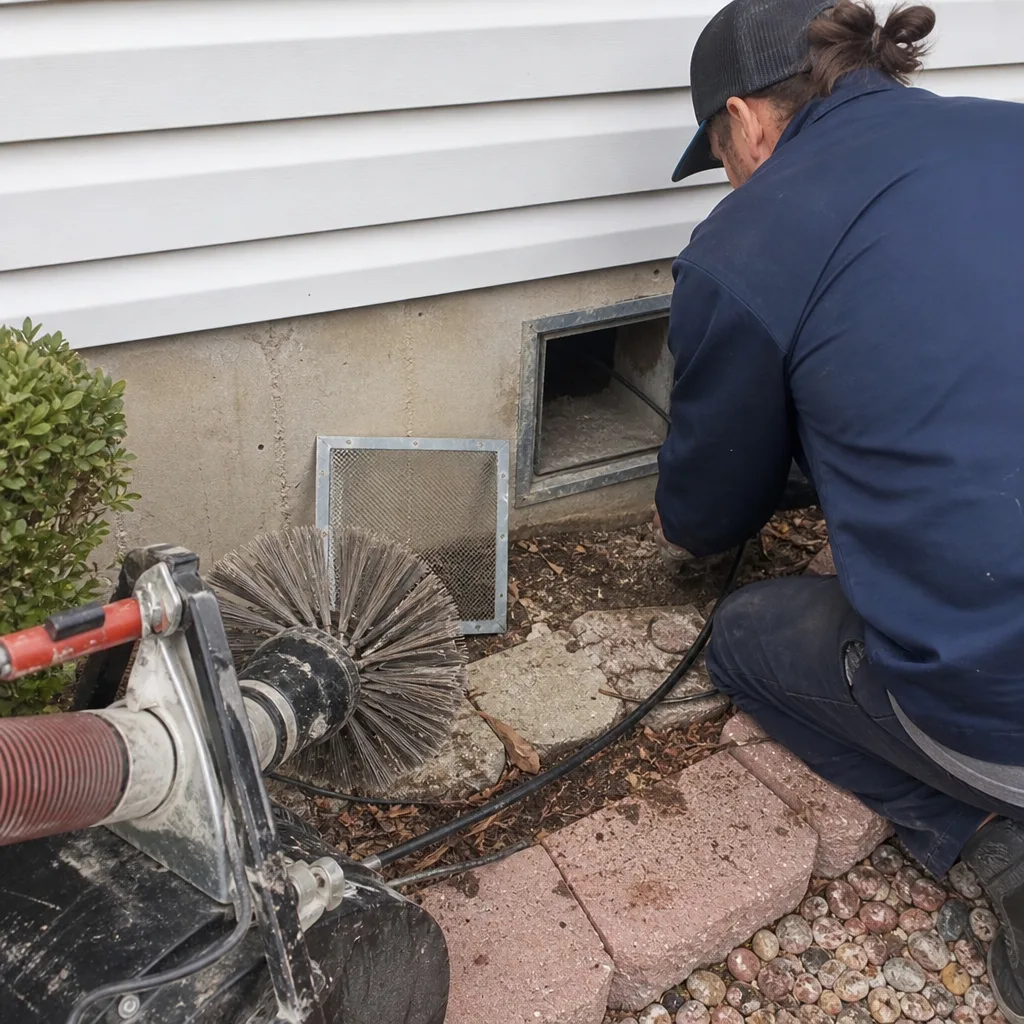 Before
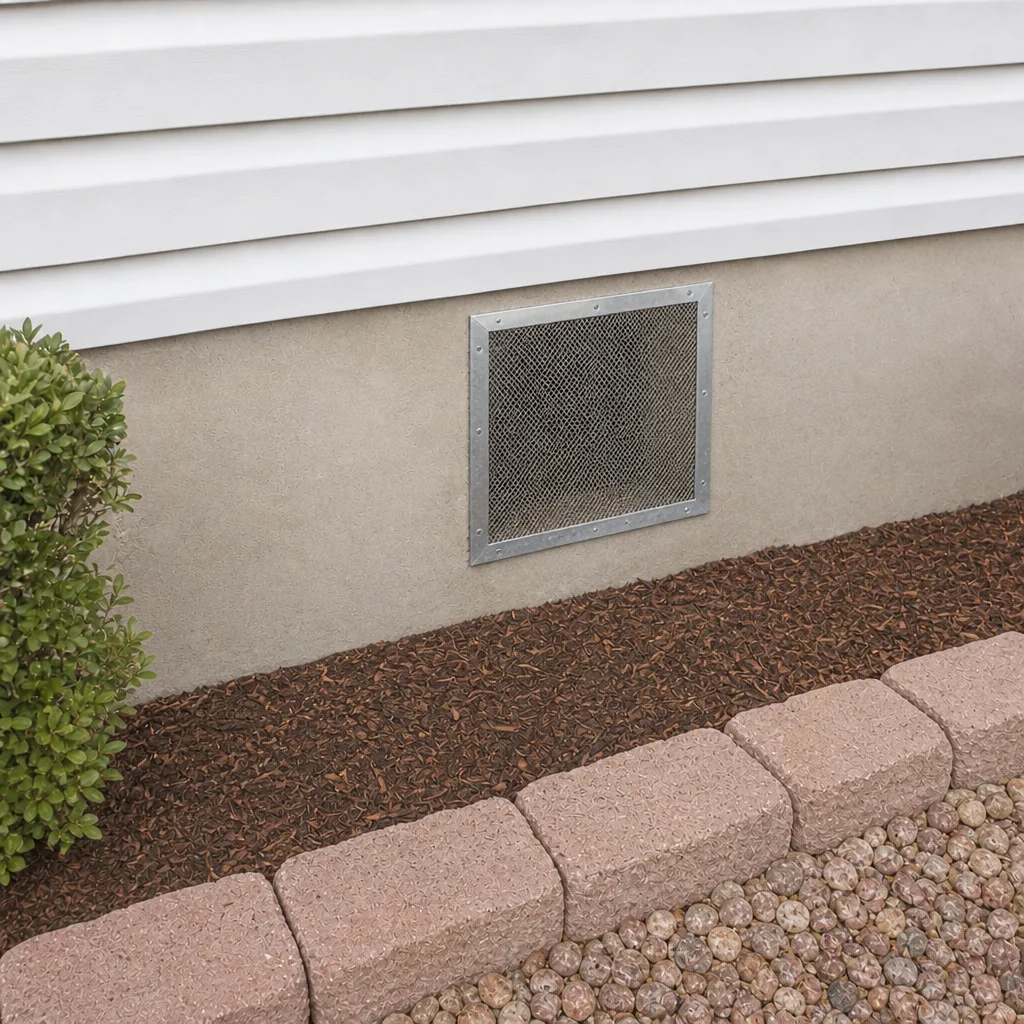 After
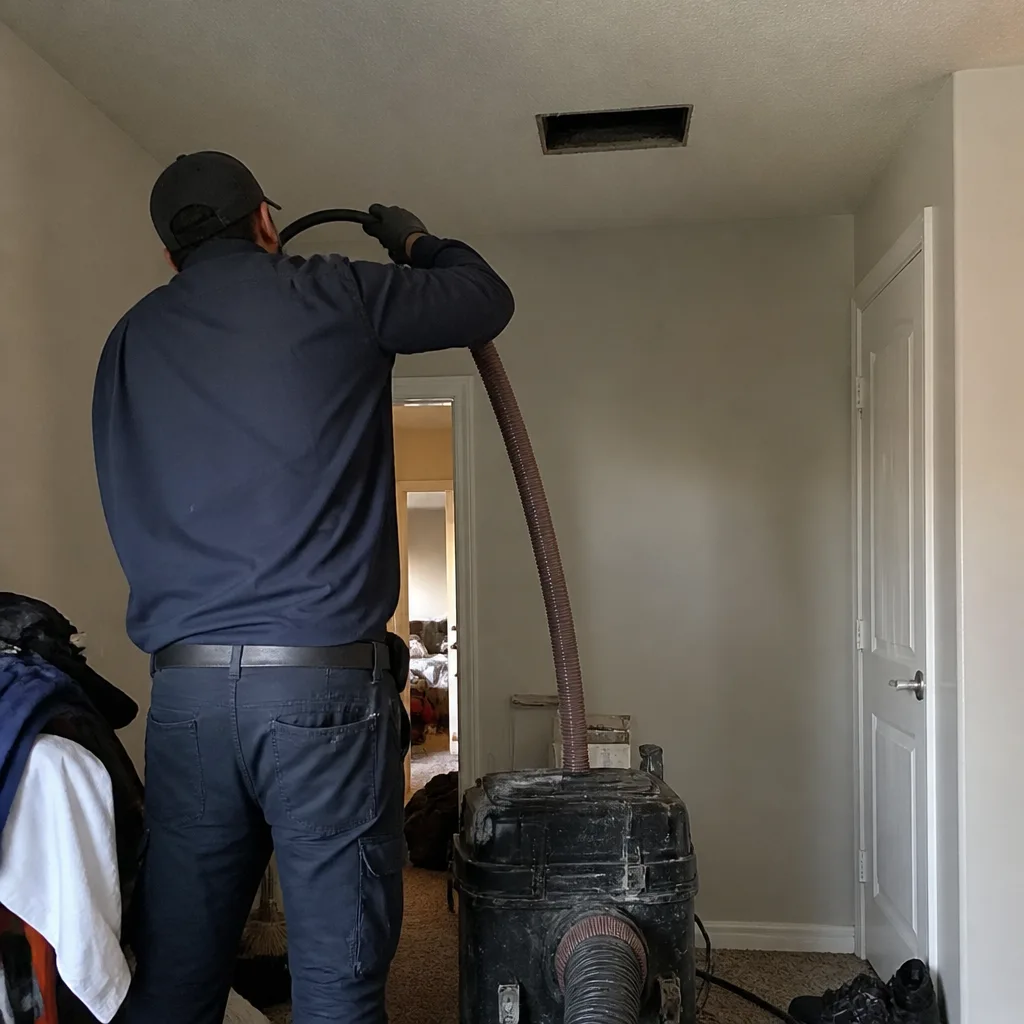 Before
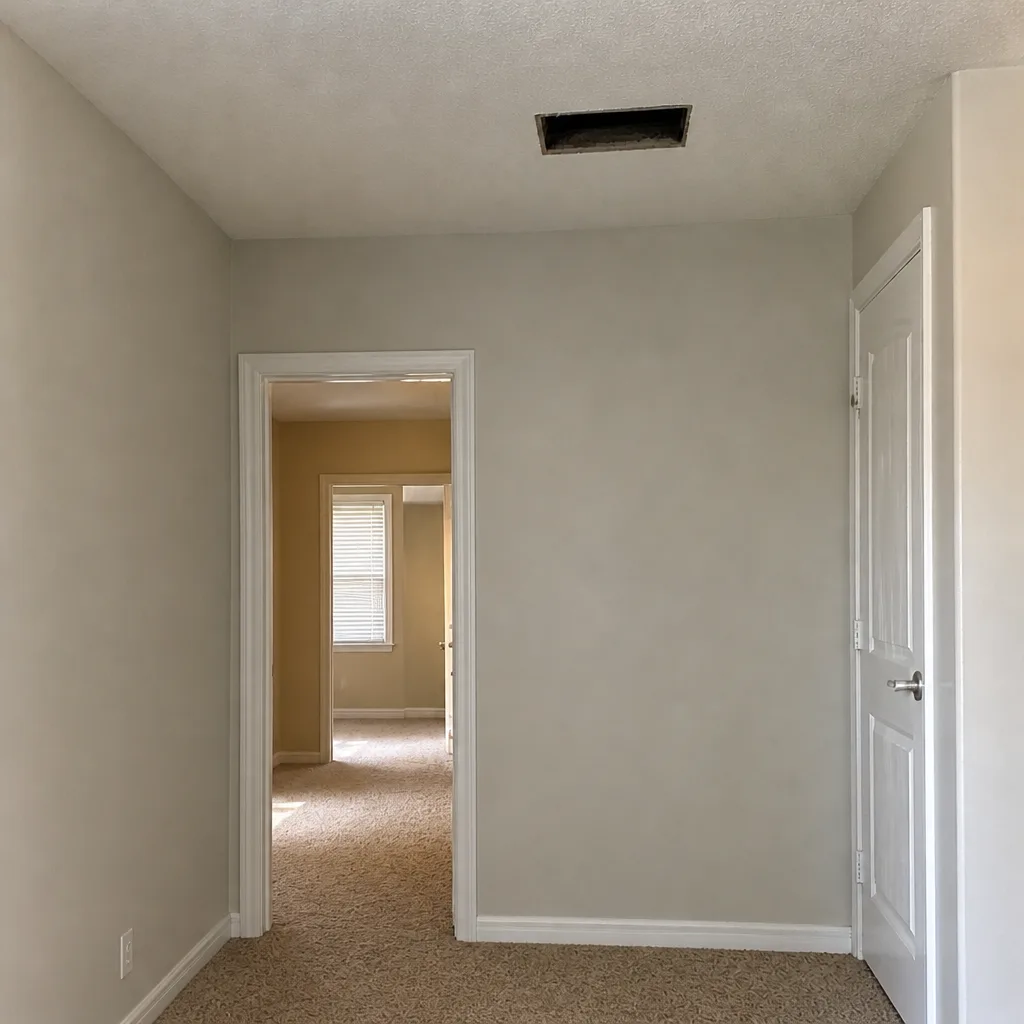 After
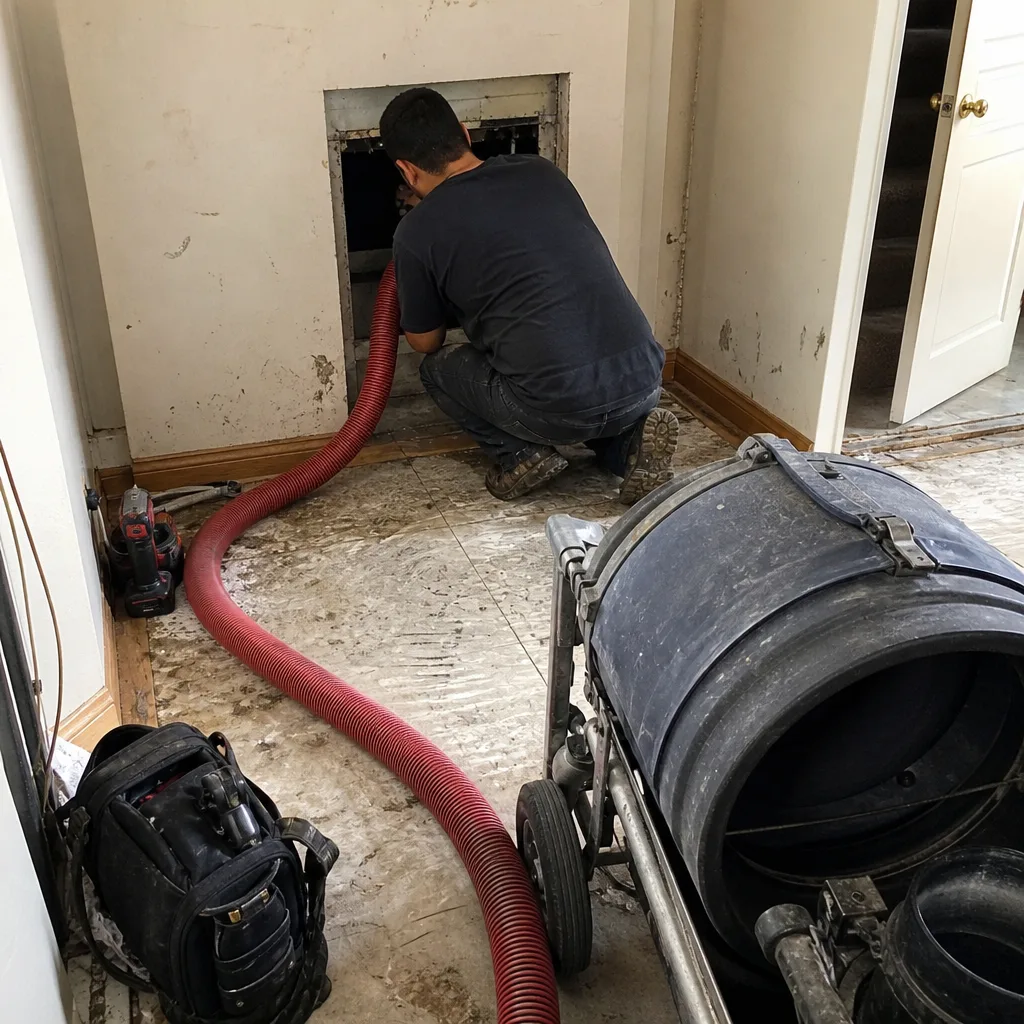 Before
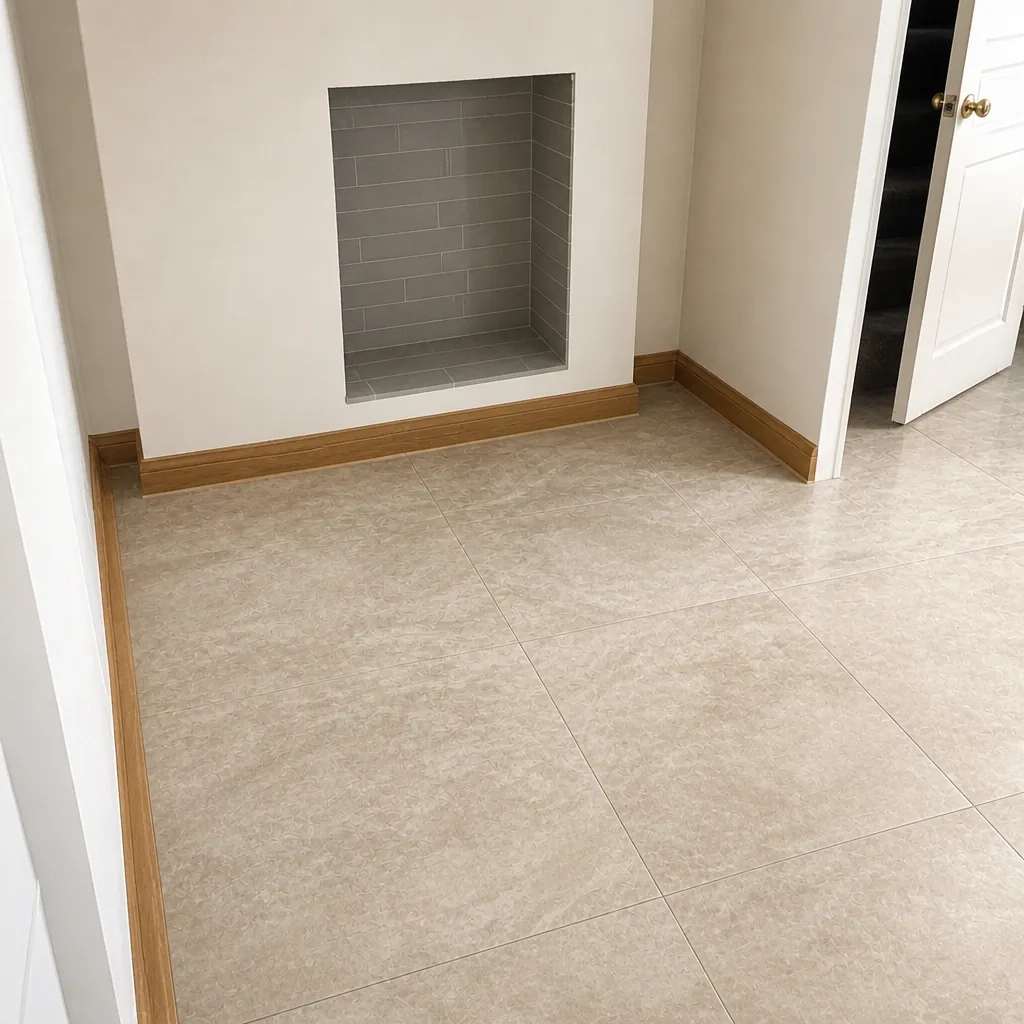 After
When to Call a Professional
Call a professional if you’ve noticed a persistent musty smell at the registers, visible dust blowing from supply vents after the system runs, uneven airflow between rooms, or a dryer that takes two cycles to dry a load. Those symptoms point to problems a cleaning may address, but they may also point to a crushed duct, a disconnected trunk, or a vent run that needs correction, which is where a licensed contractor and possibly a permit enter the picture. Call if you’re in a new-build in Herriman and aren’t sure whether the HVAC system has been commissioned yet. Call if you suspect mold growth beyond a light surface film, because that’s a remediation scope, not a maintained cleaning scope. Herriman Air Duct Cleaning Pros offers free estimates in Herriman and can tell you whether what you’re describing is a cleaning job or something that needs a permit. Call (844) 443-4862. We answer 24/7. Fast dispatch from 7am to 7pm, Sunday through Friday.
Frequently Asked Questions
No. Air duct cleaning in Herriman is a maintenance activity and does not require a permit. Cleaning, inspection, and surface sanitizing are all exempt. A permit is only triggered when the scope involves repair, replacement, rerouting, or extension of ductwork or a dryer exhaust. Call (844) 443-4862 for an exact quote on your specific situation. Estimates are free.
No. Duct cleaning itself is not a licensed trade in Utah, so no DOPL license classification covers cleaning alone. Duct installation, replacement, and mechanical modification are licensed activities and require a mechanical contractor license through DOPL. When you’re hiring for repairs rather than cleaning, ask for the contractor’s DOPL license classification and confirm it covers mechanical work. We can also explain the line between cleaning and licensed work when you call (844) 443-4862.
Yes, and it’s usually worth doing. New construction ductwork typically collects drywall dust, sawdust, and site debris that builds up in the plenum and main trunks. Confirm the HVAC system has passed final inspection and been commissioned before scheduling. Also read your builder’s warranty language first so any later warranty claim can’t be tied back to maintenance activity. If the cleaning uncovers a crushed or disconnected duct, document it with photographs and raise it with the builder before anyone touches it. We document every job with before-and-after photos of your own ducts. Call (844) 443-4862 for a free estimate.
Extensive mold growth in ductwork can cross from maintenance into regulated abatement, which requires certification beyond what a duct cleaning company carries. Light surface growth on metal ductwork is generally addressed with cleaning and sanitizing as maintenance. Heavily colonized porous duct lining or recurring growth tied to a water source should be handled as remediation by a certified contractor. Sanitizing without addressing the moisture source doesn’t fix the underlying problem. Call (844) 443-4862 for an inspection and a candid answer about what you’re dealing with.
Yes, usually. Extending or rerouting a dryer exhaust is a mechanical alteration under the residential code, and it typically requires a permit and inspection through Salt Lake County. The code also sets limits on maximum run length, requires smooth metal duct, and requires termination outdoors with an approved hood or back-draft damper. Cleaning the vent doesn’t require a permit. Modifying it does. Call (844) 443-4862 to find out which category your situation falls into. Estimates are free.
A professional-grade negative-air setup, not a shop vac. Rotobrush and Nikro systems are the standard for residential work and are designed to hold the whole system under negative pressure while agitating debris. Higher-end containment and filtration equipment, including Abatement Technologies tools, is what remediation-level work requires. Ask specifically what equipment a company uses and whether they provide before-and-after camera documentation. Most residential cleaners don’t invest in remediation-grade equipment, and that’s a legitimate question to put to anyone you’re considering. If you want to know what we bring and what we cover, call (844) 443-4862 for a free estimate.
The Bottom Line
Cleaning your ducts in Herriman doesn’t need a permit. Repairing, replacing, rerouting, or extending them usually does, and so does rerouting a dryer exhaust. Mold growth beyond surface level moves the job into remediation scope with its own certification standard. The line between maintenance and regulated work is the one to understand before anything gets scheduled, especially in new construction where the warranty sequence matters. Get the cleaning documented with before-and-after photographs, ask for the contractor’s DOPL license classification whenever the work goes beyond cleaning, and don’t let anyone quietly reconnect a trunk or reroute a vent without addressing whether a permit applies.
If you’re uncertain whether what you’re seeing is a cleaning problem or something bigger, we’re glad to take a look. Dryer vent cleaning and duct work often reveal the answer at the same time. Call (844) 443-4862 for a free estimate. We answer 24/7. Fast dispatch from 7am to 7pm, Sunday through Friday.
Written by the team at Herriman Air Duct Cleaning Pros.